Tarangire National Park
Tarangire National Park enchants with giant baobab trees, vast herds of elephants and a wildlife-rich river. Less visited than other parks, it offers an intimate yet powerful safari experience filled with natural beauty.
A journey through breathtaking landscapes
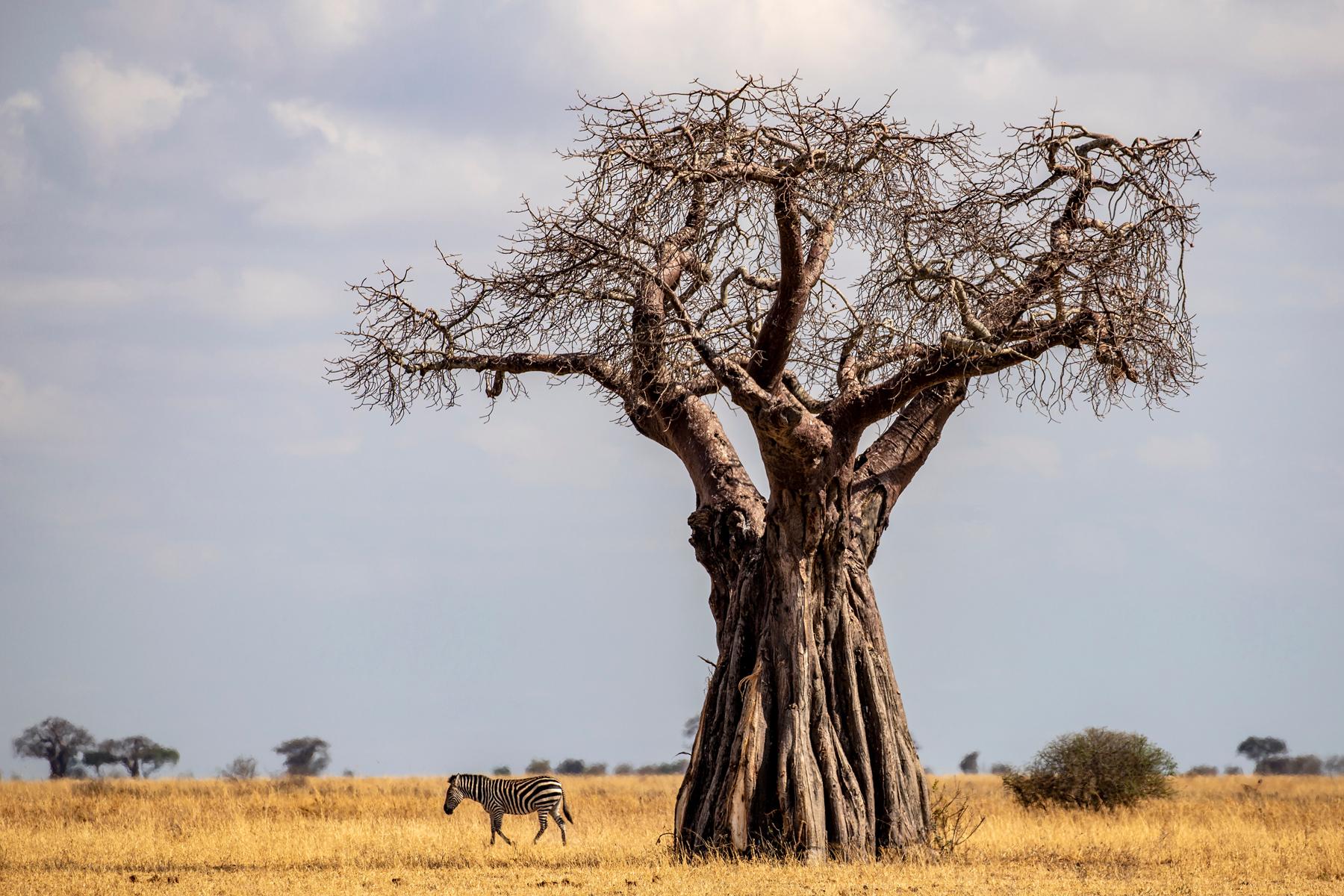
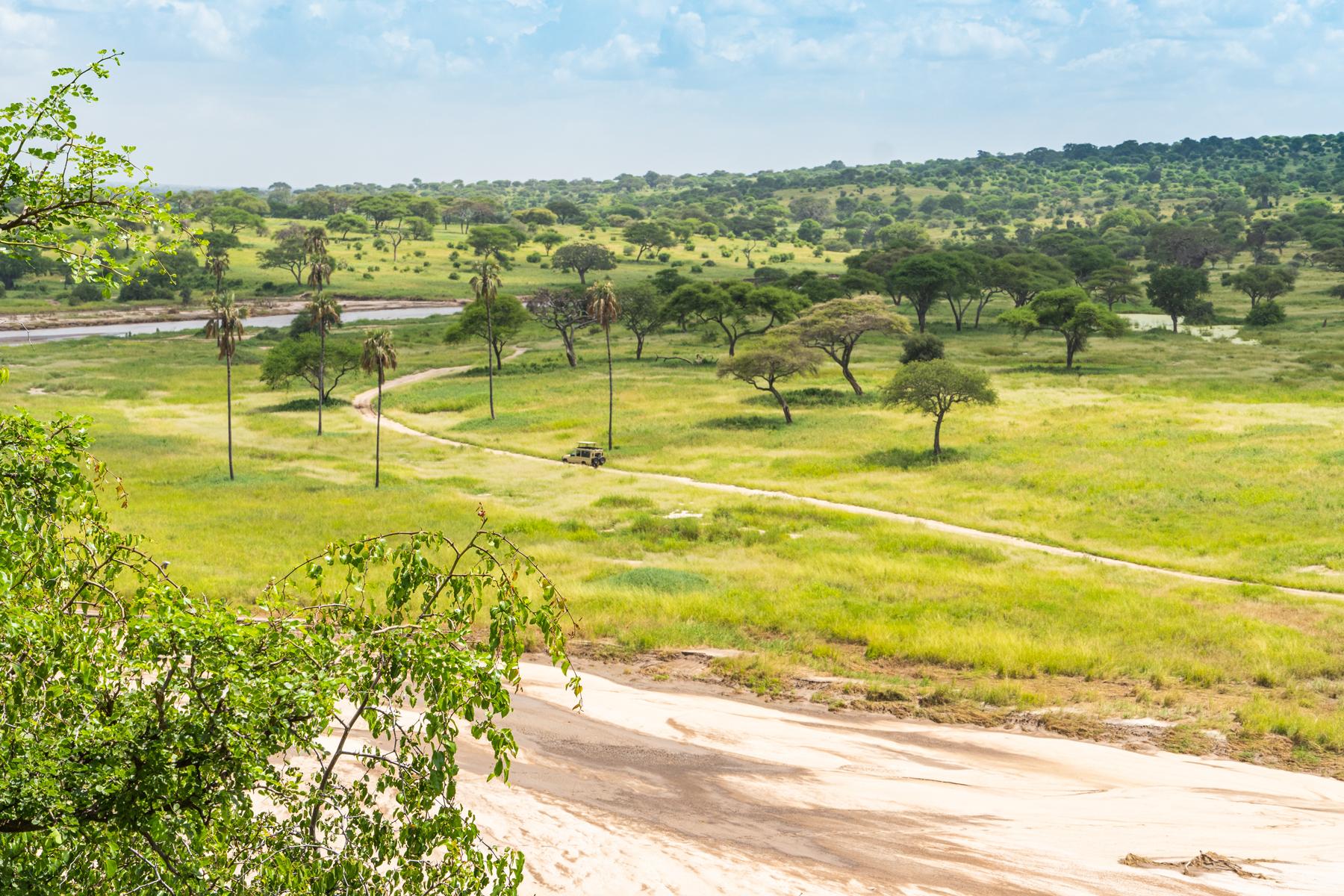
The landscape of Tarangire National Park is varied and breathtaking: rolling hills, wetlands, open grasslands and the ever-present Tarangire River. Towering baobab trees — some of them thousands of years old — lend the park a distinctly mythical atmosphere.
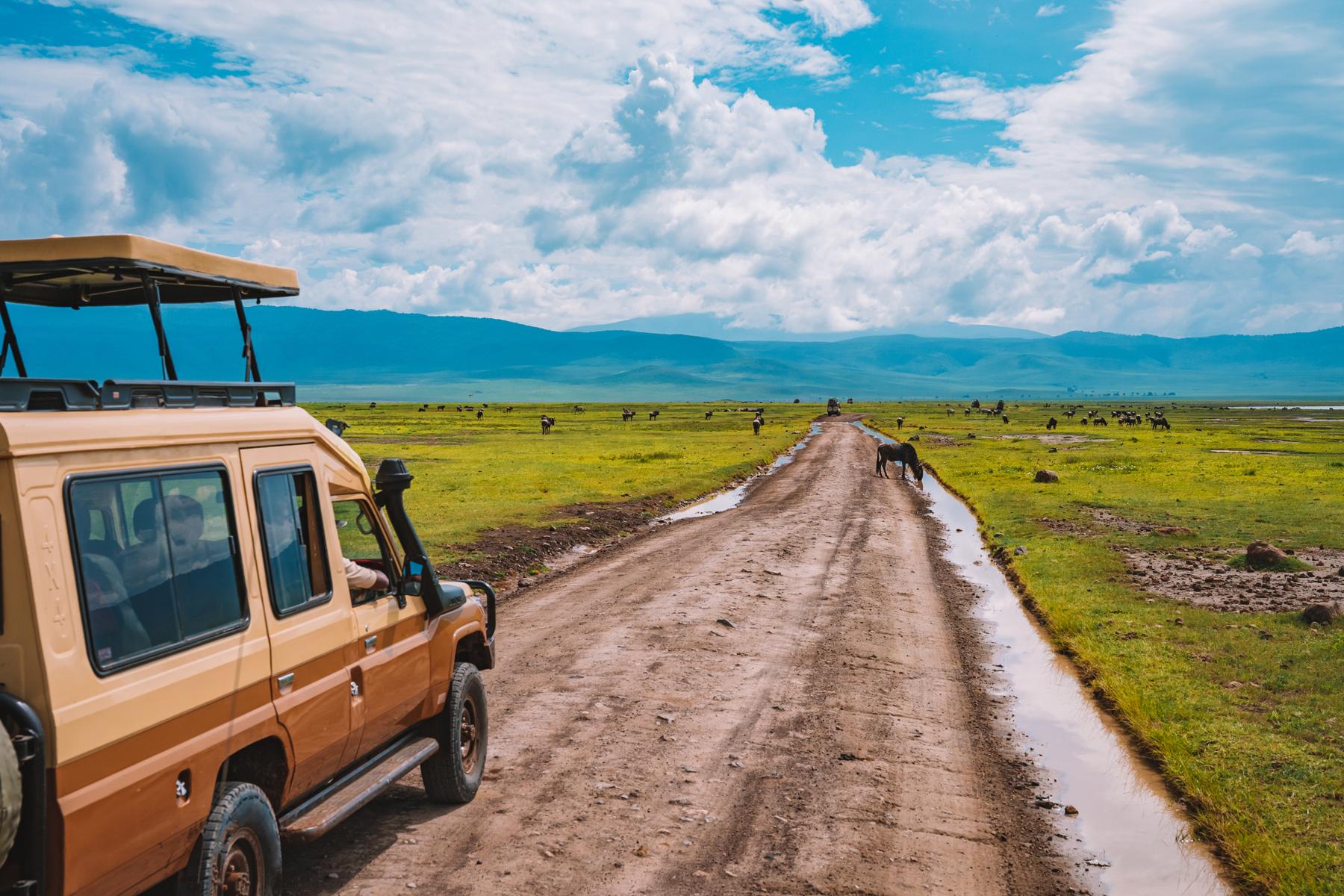
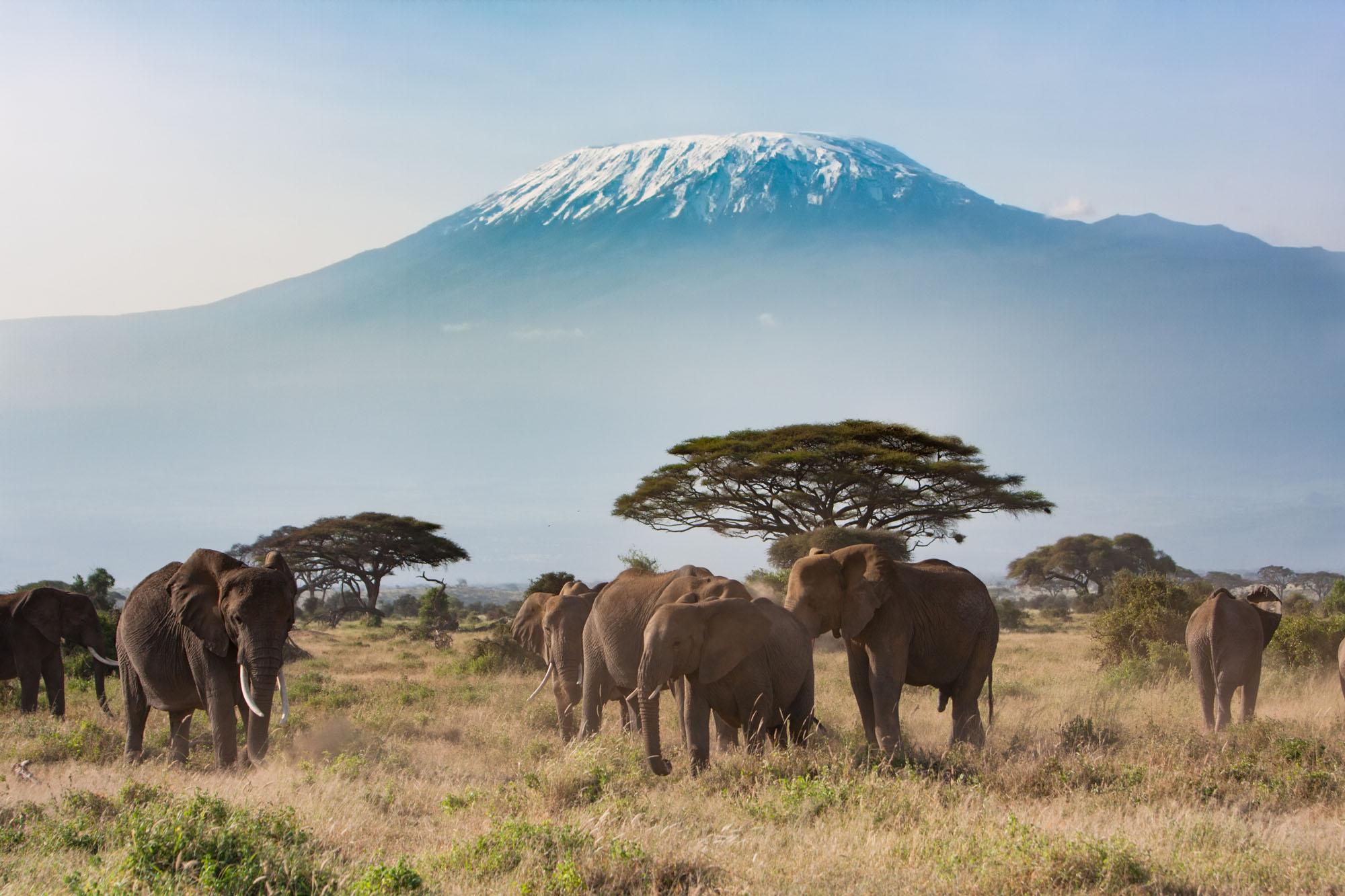
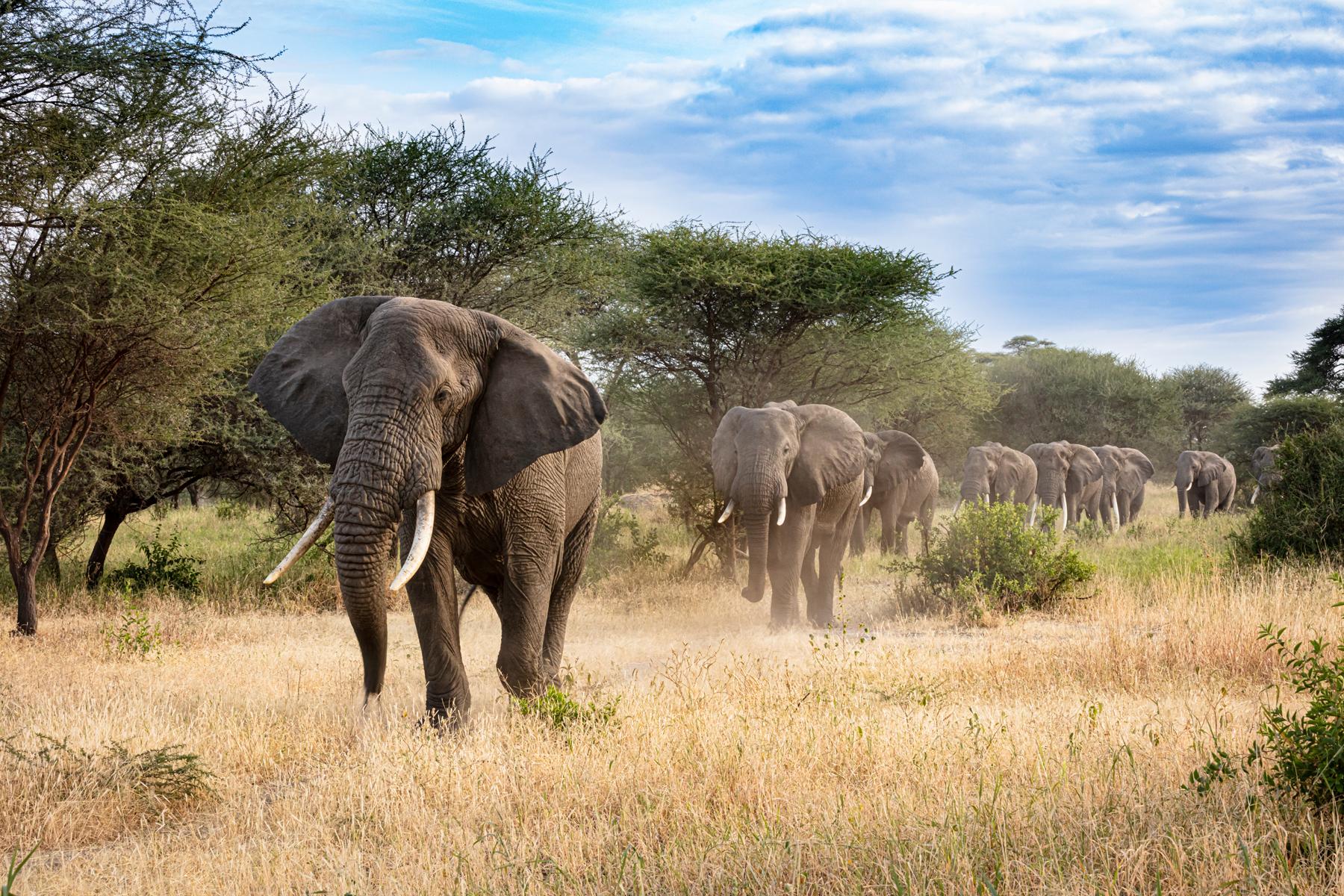
Tarangire National Park is renowned for having one of the largest elephant populations in the world. During the dry season (June–October), you may encounter herds of up to 250 elephants, often gathering along the Tarangire River to drink. While many parks appear dry and quiet at this time of year, Tarangire truly comes alive: vast numbers of elephants, zebras and wildebeest congregate along the water, creating unforgettable wildlife scenes.
The majestic baobab trees
One of the most striking features of Tarangire National Park is the presence of its giant baobab trees, found throughout the park. These iconic trees can be thousands of years old and grow to truly impressive sizes.
The baobab is often called the “upside-down tree”, as its bare branches during the dry season resemble roots reaching up towards the sky. For many people and animals in Africa, these trees hold an almost mythical significance.
In Tarangire, baobabs provide far more than just shade and shelter — they are vital sources of food and water. Elephants frequently rub against the trunks or strip the bark to reach the moisture-rich interior. For birds, insects and bats, baobabs are an essential habitat.
A safari through Tarangire is therefore not only an encounter with wildlife, but also a journey past these living monuments of nature.
A paradise for bird lovers
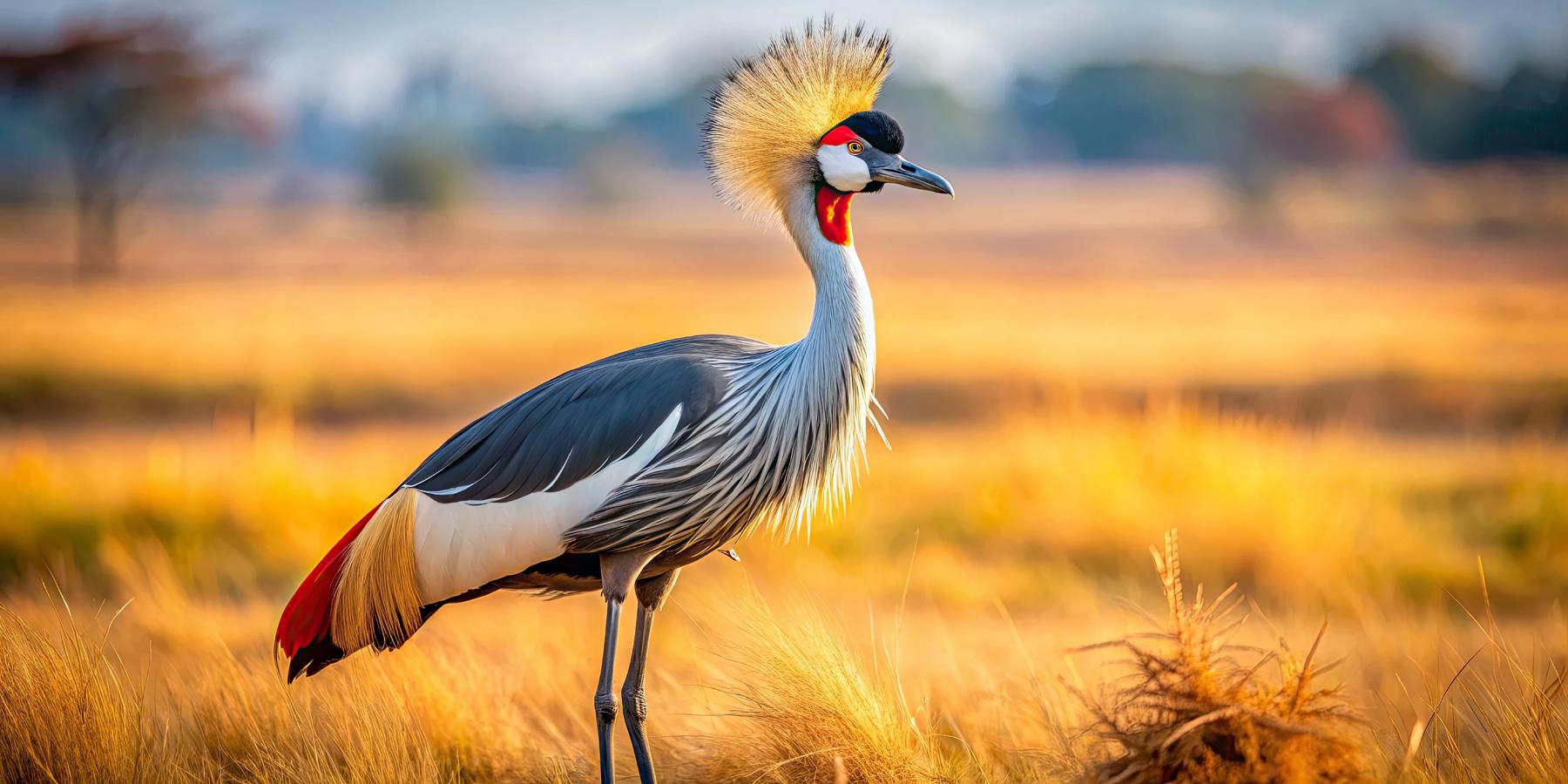
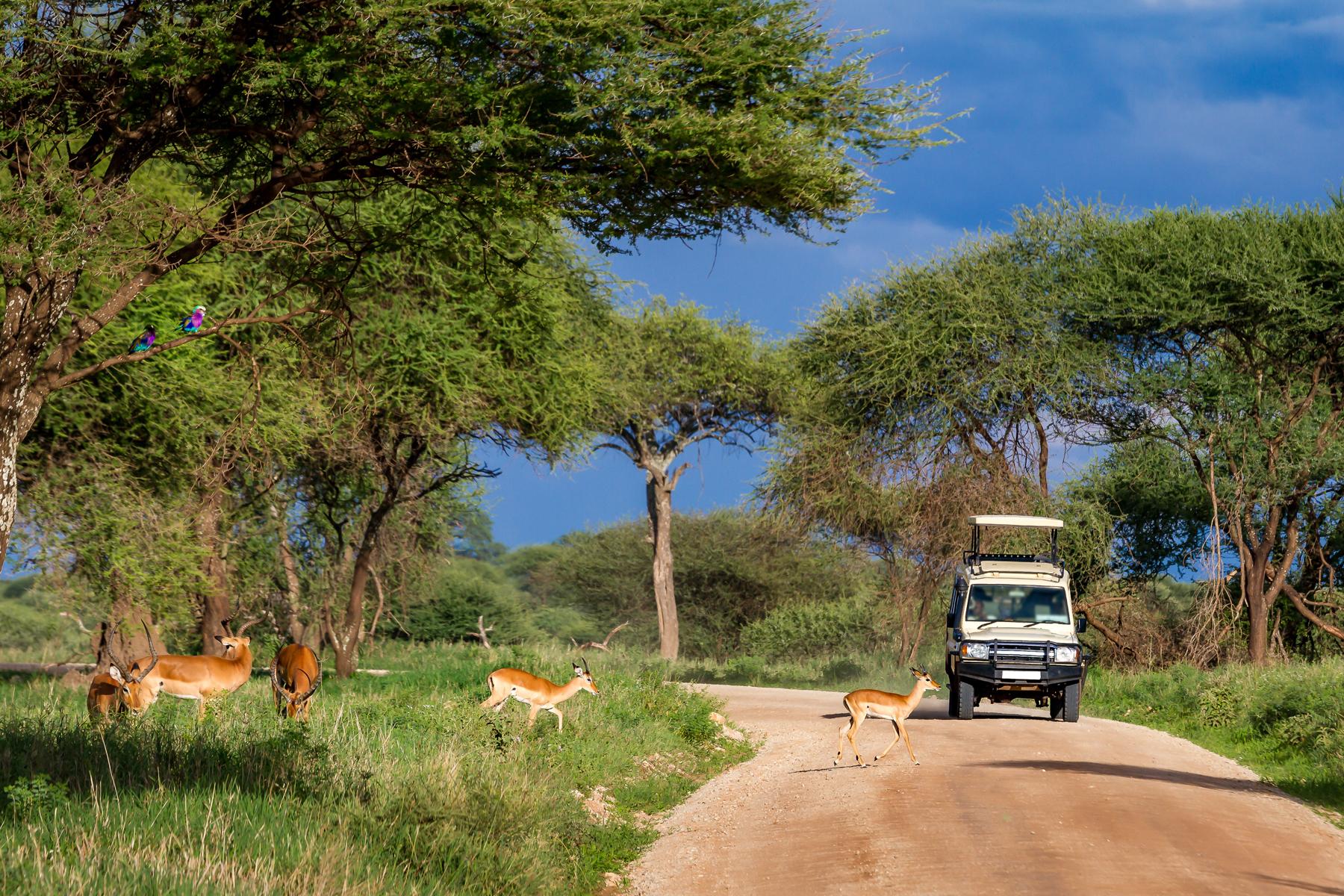
With more than 500 recorded bird species, Tarangire National Park is a true paradise for birdwatchers and nature lovers. From colourful bee-eaters and red-billed queleas to stately marabou storks and vultures, there is something remarkable to see in every season.
During the dry season, many waterbirds gather around the Tarangire River and surrounding wetlands. In the green season, numerous migratory birds arrive from Europe and Asia, further increasing the park’s already impressive diversity.
Highlights for bird enthusiasts include:
Red-billed quelea, forming enormous colonies in the trees
Kori bustard, the heaviest flying bird in the world
Various species of vultures and eagles soaring above the savannah
Strikingly colourful birds such as the lilac-breasted roller and bee-eaters
For anyone who loves birdsong, vibrant colours and outstanding photographic opportunities, Tarangire is one of the very best destinations in Tanzania.
Did you know…
Tarangire National Park is home to baobab trees that are over 1,000 years old?
Some trunks are so massive that it takes dozens of people holding hands to encircle them.The Tarangire River is the lifeline of the park?
During the dry season, it attracts wildlife from many kilometres away, making it one of the best places for game viewing.Tarangire is the only place in northern Tanzania where the greater kudu is regularly seen?
This elegant antelope is rarely encountered elsewhere in the region.Elephants in Tarangire often strip the bark from baobab trees?
They do this to reach the moist inner layers, especially during periods of drought.
Frequently Asked Questions
Ontdek hier enkele van onze activiteiten in de buurt van Tarangire National Parc
Contacteer ons gerust indien je één of meerdere van deze activiteiten wil toevoegen aan je reis.