Good to know
Looking forward to a carefree holiday? Kwikwi Tanzania takes care of everything.
On this page, you will find all the essential information you need to prepare for your journey. If you still have questions or something is unclear, please don’t hesitate to contact us — we are always happy to help.
And there’s more: when you book your journey with us, you will receive a detailed travel brochure by email, along with a parcel delivered to your home containing useful travel gadgets to get you fully ready for your adventure.
- Facts about Tanzania
Facts about Tanzania
Are you planning a journey to Tanzania? Then it is helpful to be familiar with some basic information. Tanzania is one of Africa’s most popular destinations, thanks to its spectacular national parks, the iconic Mount Kilimanjaro and the tropical beaches of Zanzibar. Below, you will find an overview of the most important facts to help you prepare for your safari in Tanzania or round journey.
Capital: Dodoma (political capital); Dar es Salaam is the largest city.
Population: Approximately 66 million.
Currency: Tanzanian Shilling (TZS).
Languages: Swahili and English are the official languages.
Neighbouring countries: Kenya, Uganda, the Democratic Republic of the Congo, Rwanda, Burundi, Zambia, Malawi and Mozambique.
Land area: Approx. 886,000 km².
Water area: Approx. 59,000 km² (including Lake Victoria, Lake Tanganyika and Lake Nyasa).
Highest point: 5,895 metres (Mount Kilimanjaro – climbs organised by us).
Time difference: Summer: +1 hour; winter: +2 hours compared to Belgium/The Netherlands.
Main attractions: Serengeti National Park, Ngorongoro Crater, Mount Kilimanjaro and Zanzibar.
UNESCO World Heritage Sites: Including Stone Town (Zanzibar), Selous Game Reserve and the Ngorongoro Conservation Area.
Safaris: With more than 25 national parks, Tanzania is one of the best safari destinations in the world.
Lakes: Tanzania borders three of Africa’s largest lakes: Lake Victoria, Lake Tanganyika and Lake Nyasa.
Religion: Approximately 60% Christian, 35% Muslim, with a small percentage practising traditional religions.
Economy: Agriculture is the largest employer, while tourism is growing rapidly thanks to safaris and beach holidays.
Population groups: Over 120 ethnic groups, including the well-known Maasai.
Nature: More than one third of the country’s surface area is protected natural land.
Our Tanzania travel specialists are happy to help you design your dream journey. Thanks to our carefully selected accommodation, you will always find a place that suits your travel style — from luxury lodges set in the heart of nature to charming beach hotels or atmospheric stays in the city. This way, your journey to Tanzania becomes an experience you will never forget.
At Kwikwi Tanzania, we operate our own fully equipped safari vehicles. We organise exclusively private safaris, so you will never share your vehicle with other travellers. Throughout your journey, your guide is always on hand to assist you. Would you like to return to the lodge early to relax by the pool, or enjoy lunch with the local community? Everything can be discussed with our English-speaking guides.
- Visa and travel documents
Visa and travel documents
Before boarding your flight to Tanzania with complete peace of mind, it is important to ensure that you have the correct travel documents in order.
Your international passport must be valid for at least six months upon arrival. In addition, a visa for Tanzania is required. This visa can easily be applied for online in advance or obtained upon arrival at the airport. We strongly recommend arranging your visa online before departure, as this allows you to pass through immigration more quickly and start your holiday without unnecessary delays.In addition to a valid passport and visa, it is advisable to carry your vaccination booklet with you. We also recommend keeping a copy of your passport separate from the original document. This way, you are well prepared and can fully enjoy your round journey or safari in Tanzania.
At Kwikwi Tanzania, we are happy to assist and guide you step by step with the visa application process and other required documents. Please note, however, that the final approval of any visa application always lies with the Tanzanian authorities. We will do everything possible to support you, so you can begin your journey with confidence and peace of mind.
Important: As a traveller, you are personally responsible for carrying the correct and valid travel documents. Please be aware that any additional costs resulting from missing or invalid documents are at your own expense.
Visa application
Appmying for a Tanzania eVisa
Travellers to Tanzania require a valid visa. The Tanzania eVisa can be applied for online in advance via the official government immigration service. It is also possible to obtain a Tanzania visa upon arrival at the international airport.
If you have applied for your visa online in advance, you may use the “No Visa” queue upon arrival. This is usually faster and helps reduce waiting time. Please note, however, that applying for an eVisa online can take up to four weeks. If you are travelling to Tanzania at short notice, it is often more convenient to arrange your visa upon arrival at the airport. The cost of a Tanzania visa is USD 50 per person.
Online visa application
To apply for the Tanzania eVisa, please use the following official link:
https://visa.immigration.go.tz/If you book your journey with us, we will provide you with a clear step-by-step guide explaining the entire visa application process.
Other requirements
You must be in possession of a return ticket or an onward travel ticket.
If requested, you must be able to provide proof of sufficient financial means, such as cash or a credit card.
Proof of vaccination against yellow fever may be required, depending on your travel route. For up-to-date information, please consult the website of the Institute of Tropical Medicine Wanda.
Zanzibar
When travelling to Zanzibar or Pemba, the Tanzanian government requires travellers to take out an additional insurance policy before arrival. This regulation applies to all travellers, regardless of whether you already have standard health insurance, travel insurance or coverage with AMREF Flying Doctors.
This mandatory insurance can only be arranged online via the official website.
The cost is USD 44 per person for travellers aged 18 and over, and USD 22 per child aged 3 to 17.
After booking your journey with us, you will receive detailed information and clear instructions to help you arrange this Zanzibar insurance quickly and easily. This ensures you are fully prepared and can enjoy your holiday with complete peace of mind.
- Travel insurance
Travel insurance
At Kwikwi Tanzania, comprehensive travel insurance for Tanzania is mandatory for all our travellers. Your safety and peace of mind are our top priorities. With an extensive travel insurance policy, you are covered for unexpected medical expenses, repatriation, and issues such as loss, theft or damage to your luggage. This applies to every journey — whether you are embarking on an adventurous safari in Tanzania, climbing Mount Kilimanjaro or booking a relaxing beach holiday in Zanzibar.
We strongly recommend arranging your insurance well in advance of departure and carefully checking that your policy provides the appropriate cover for your travel plans. This way, you can be confident that you are fully prepared and able to enjoy your dream journey to Tanzania without worries.
Travel cancellation insurance
Although it is not mandatory, we strongly recommend taking out cancellation insurance. This type of insurance protects you against costs incurred if your journey has to be cancelled unexpectedly, for example due to illness or other unforeseen circumstances.
Please note that cancellation insurance usually needs to be arranged within five days of booking your journey. This ensures that you are properly covered and can look forward to your holiday in Tanzania with peace of mind.
Many travellers are already covered by an annual travel or cancellation insurance policy. However, such standard policies do not always cover all aspects of a journey to Tanzania. This may include the full travel cost or specific activities such as a safari or climbing Mount Kilimanjaro.
Our advice: before departure, contact your insurer to check whether your current policy adequately matches your travel plans. If this is not the case, you can easily arrange a short-term additional cover with your insurance provider. This way, you can be confident that you are well prepared for your journey.
Zanzibar
When travelling to Zanzibar or Pemba, the Tanzanian government requires travellers to take out an additional insurance policy before arrival. This requirement applies to all travellers, regardless of whether you already have standard health insurance, travel insurance or coverage with AMREF Flying Doctors.
This mandatory Tanzania insurance can only be arranged online via the official website.
The cost is USD 44 per person for travellers aged 18 and over, and USD 22 per child aged 3 to 17.
After booking your journey with us, you will receive detailed information and clear instructions to help you arrange this Zanzibar insurance quickly and easily. This way, you will be fully prepared and able to enjoy your holiday with complete peace of mind.
Flying Doctors
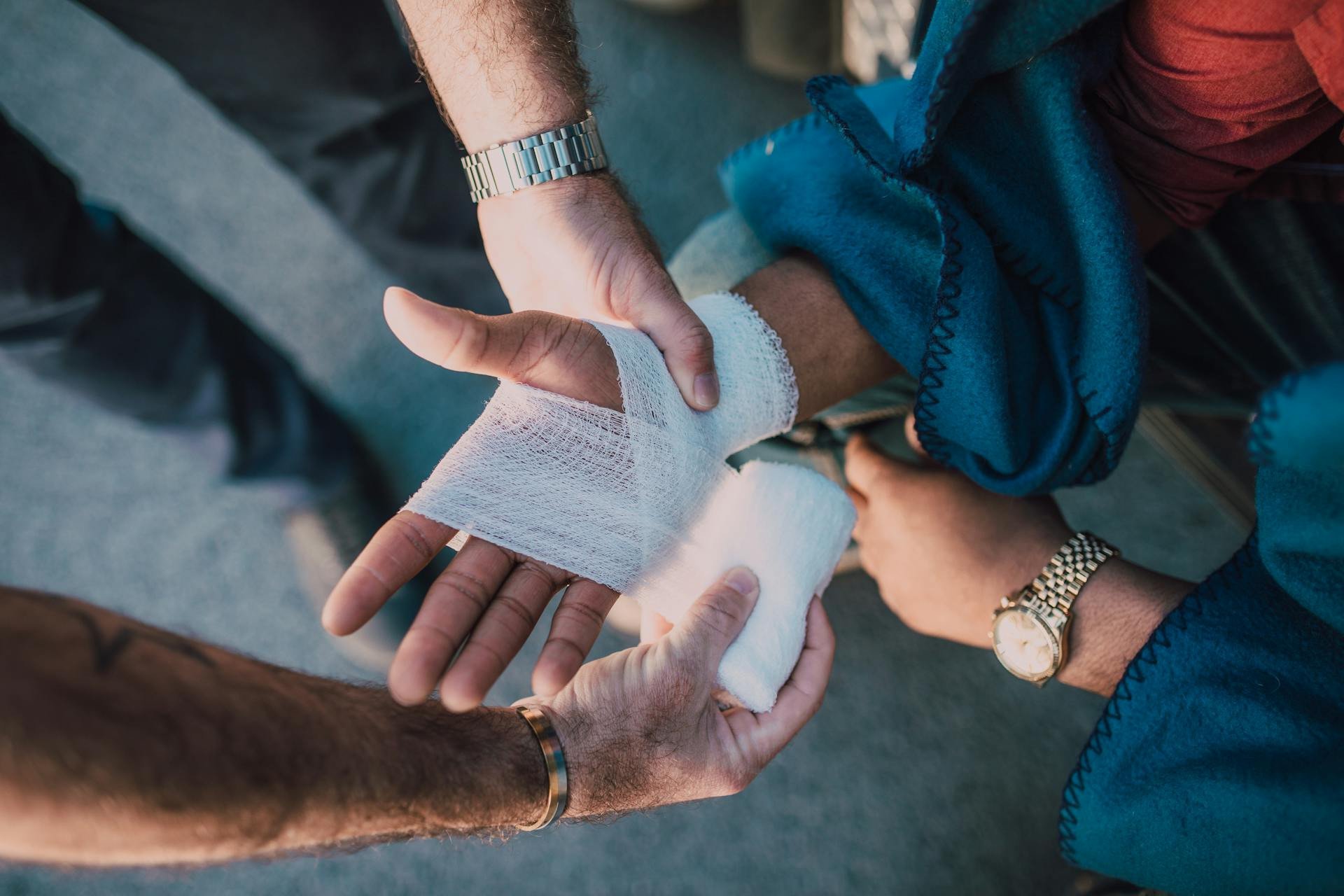
Since the 1950s, AMREF Flying Doctors has been carrying out medical evacuation flights in Kenya, Tanzania and Uganda. This unique service operates with its own pilots and medical staff and is the only true flying ambulance in East Africa. They are on standby 24 hours a day to provide emergency assistance when needed.
The Flying Doctors insurance is an optional supplement to your standard travel insurance. Although not mandatory, it offers valuable additional peace of mind: in the event of an emergency, you will be evacuated by aircraft directly from remote areas to the hospital in Moshi. The premium is EUR 40 per person for a safari of up to 30 days.
You can apply for this insurance directly through Flying Doctors.
- Travel advice
Travel advice
The current travel advice for Tanzania is largely classified as “yellow”, which means that travel to this destination is permitted. Tanzania is generally considered one of the safer countries in Africa. In addition, throughout your entire journey you will be accompanied by one of our experienced guides. We also provide you with several emergency contact numbers, which are available 24/7.
The information published by the Ministry of Foreign Affairs is always leading and should be consulted prior to departure. For the most up-to-date guidance, we recommend checking the official websites of Reisadviezen België or Reisadvies Nederland.
We also strongly recommend registering your journey via Travellers Online.
- Paying in Tanzania
Paying in Tanzania
Valuta in Tanzania
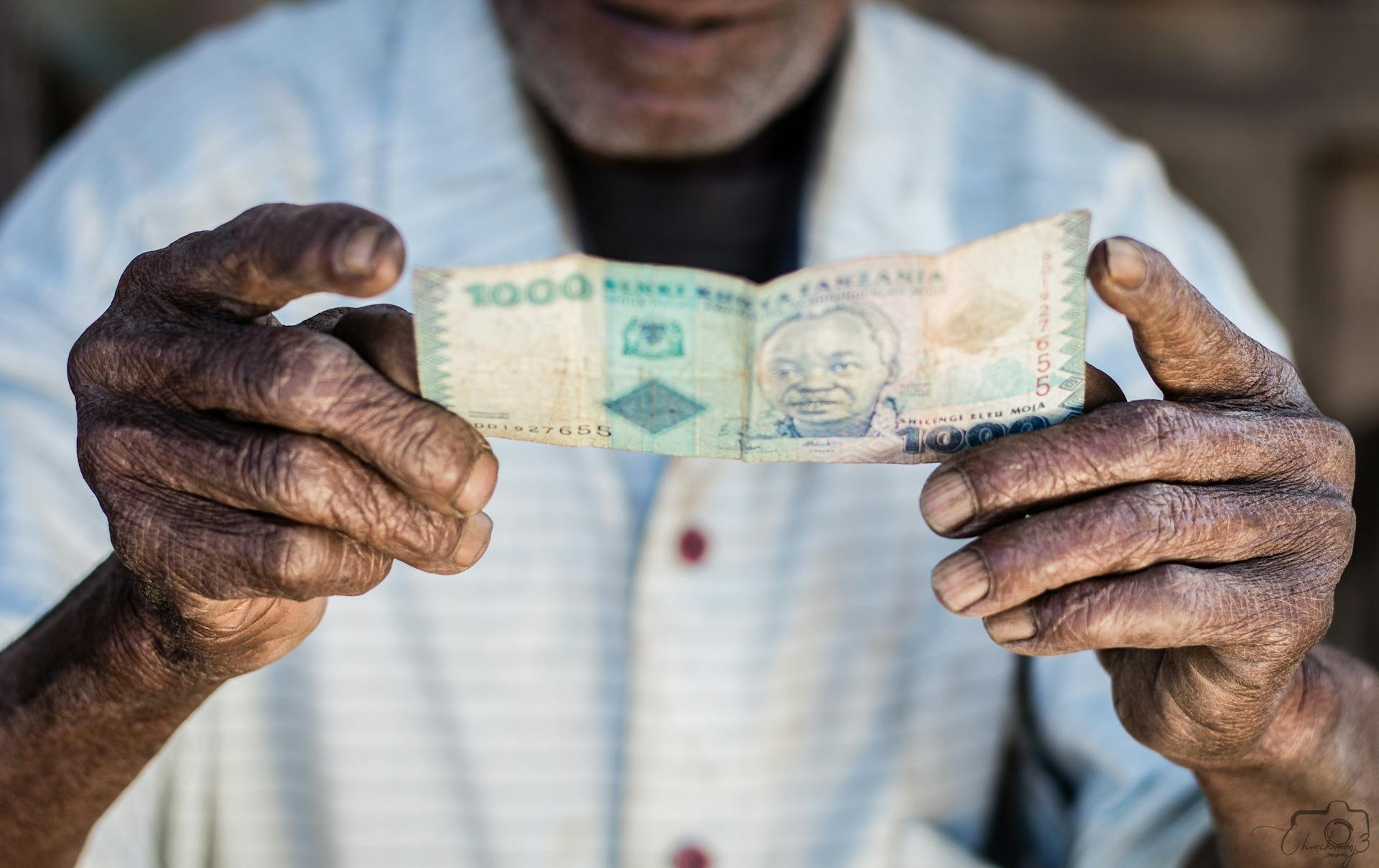
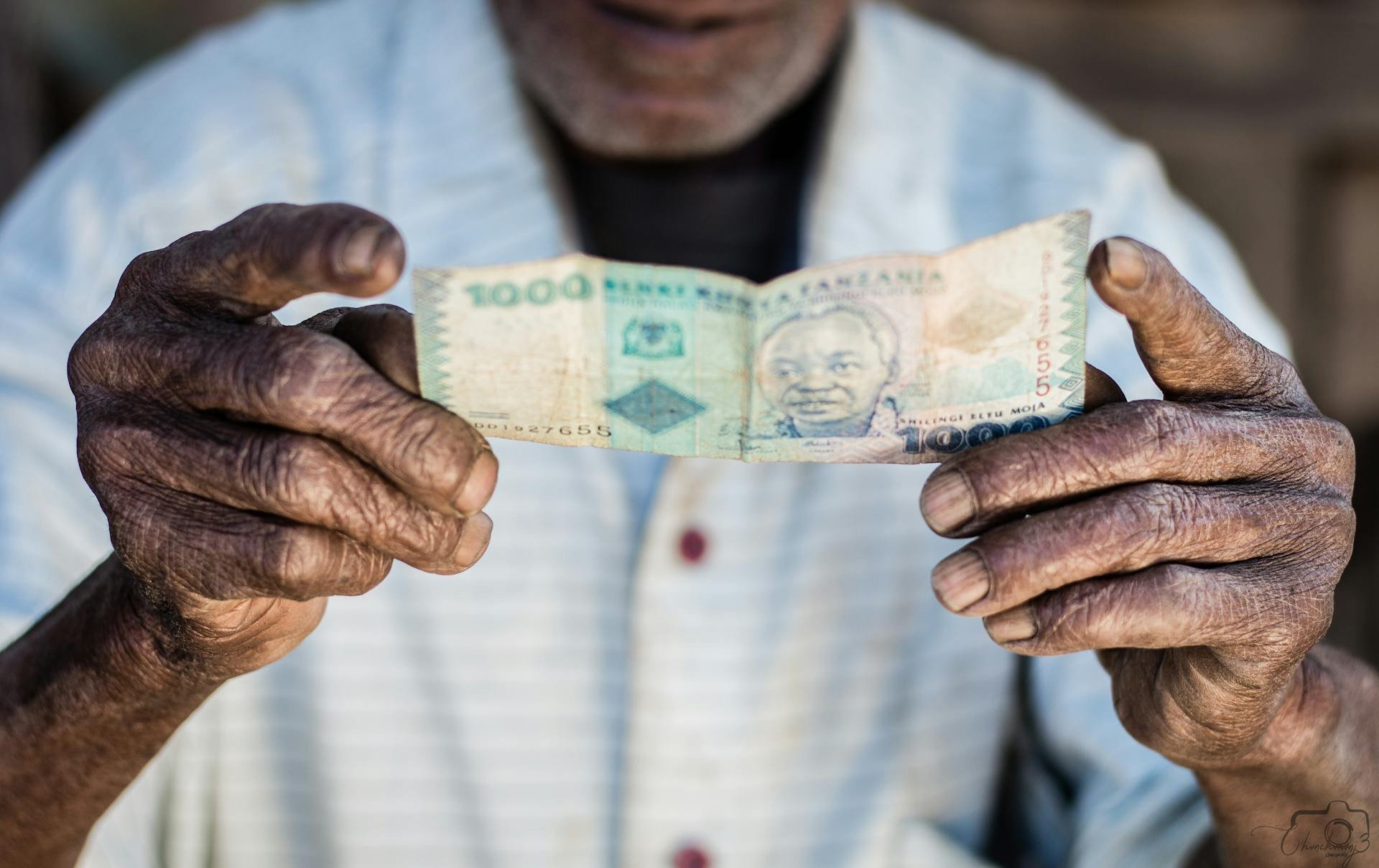
The official currency of Tanzania is the Tanzanian Shilling (TZS). Banknotes are available in denominations of 1,000, 2,000, 5,000 and 10,000 shillings, while coins are issued in denominations of 50, 100, 200 and 500 shillings. The Tanzanian Shilling cannot be exchanged outside the country.Bringing cash
As the Tanzanian Shilling cannot be obtained in advance, it is best to bring cash in euros (banknotes of up to €50 only) or US dollars. Please note that US dollar banknotes must have been issued from 2006 onwards, as older notes are often not accepted. It is also advisable to carry some small denominations for tips.
At international airports and larger lodges, you can exchange euros or US dollars at a standard exchange rate. It is often useful to have a small amount of Tanzanian shillings for minor expenses. Avoid exchanging money on the black market; this is illegal, even if the rates may appear attractive.
Using ATMs in Tanzania
ATMs are available at international airports and in larger cities and towns. However, please be aware that these machines are not always reliable and may occasionally be out of service. It is therefore advisable to withdraw cash in good time and ensure that you always carry some cash with you.Creditcards
A credit card can be a useful back-up, but it is not accepted everywhere. Mastercard is the most widely accepted, while Visa and American Express are only accepted on a limited basis. In larger lodges, you can usually pay by credit card and sometimes even exchange euros or US dollars into Tanzanian shillings. In small-scale tented camps or remote areas, paying by credit card can be challenging due to limited connectivity.
Practical tips
Always carry sufficient cash for emergencies.
When paying by credit card, ask to be charged in the local currency, as this can help avoid unnecessary exchange fees.
Tipping is easiest when using small banknotes or coins (in Tanzanian shillings or US dollars).
- Best time to travel to Tanzania
Best time to travel to Tanzania
A journey to Tanzania is truly special throughout the year. Daytime temperatures are pleasantly warm, averaging between 25 and 30°C, and the landscapes and wildlife reveal themselves in different ways each season. Tanzania does not experience summer and winter as we know them, but rather seasons defined by rainfall. There are dry periods, short rainy seasons and longer rainy periods. Each time of year has its own advantages — the best choice depends on what you would like to see, your budget and whether you prefer to avoid busy periods.
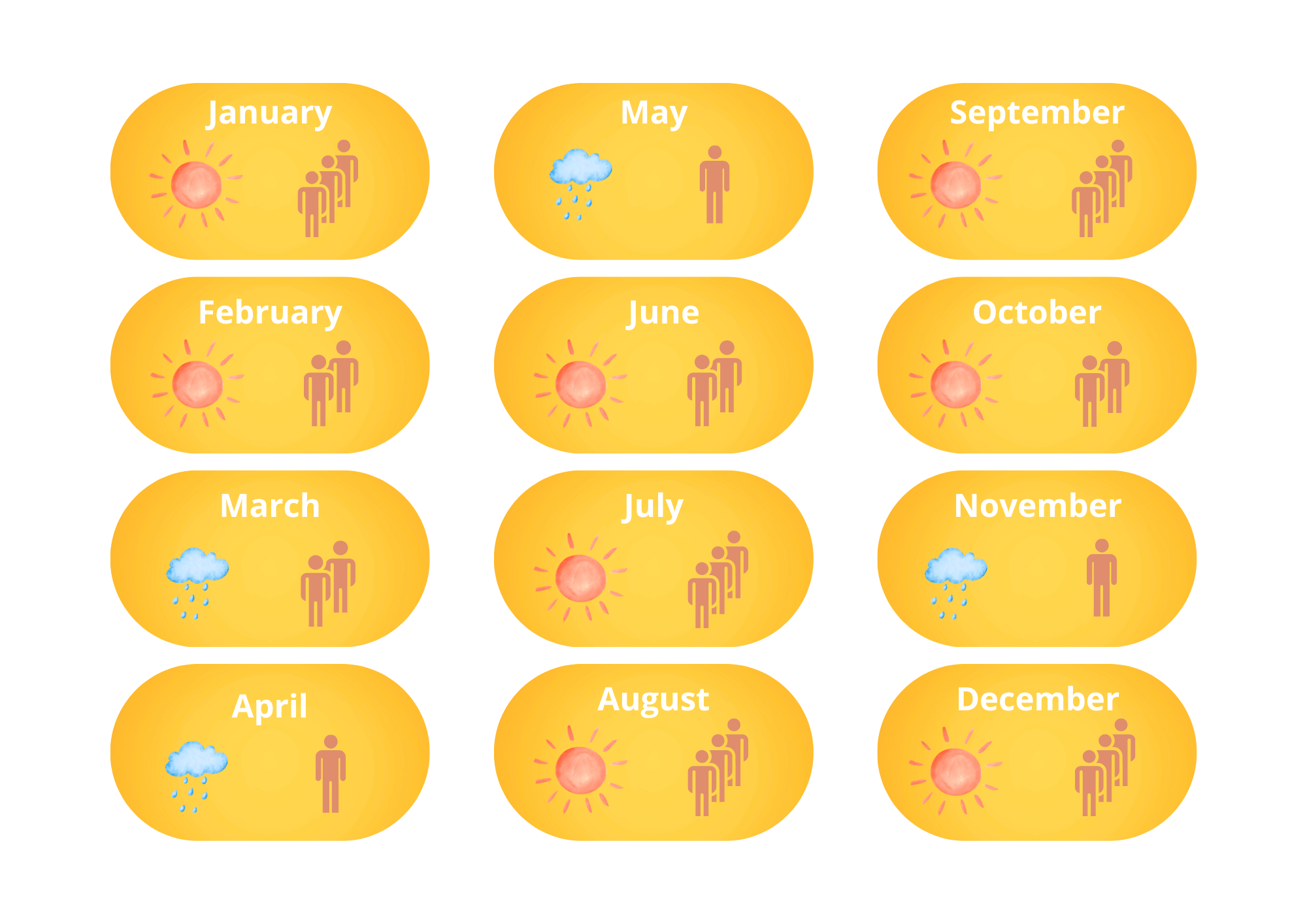
Dry seasons – June to October & December to February
The best time for a safari in Tanzania is generally during the dry season. From June to October, the landscape is dry and wildlife gathers around water sources, making animal sightings particularly rewarding. This period also coincides with the famous Great Migration in the Serengeti, with July and August marking the peak months for the spectacular Mara River crossings.
The second dry season runs from December to February. The weather is sunny and warm, and in the southern Serengeti the calving season takes place in January and February. During this time, vast numbers of newborn wildebeest and zebras can be seen, attracting predators and creating a truly memorable safari highlight.
Rainy seasons – March, April, May & November
During the rainy seasons, Tanzania is generally much quieter and prices are often lower.
March: The rainy season begins gradually. The landscape turns lush and green, and temperatures are high — especially on Zanzibar. An ideal time to combine safari and beach.
April and May: The long rains can sometimes make roads less accessible, but the scenery is spectacularly green and national parks are almost empty. This results in unique safari experiences at lower rates.
November: The short rains mainly bring brief but heavy showers in the evening or at night. During the day, temperatures remain around 30°C and the landscape is beautifully in bloom. A good travel period for those seeking tranquillity and attractive prices.
Climate by region
Northern Tanzania:
Most major safari parks are located here. The dry season runs from December to mid-March and from mid-May to mid-October. The long rains occur between mid-March and mid-May, while the short rains usually fall from mid-October to the end of November.Zanzibar & Pemba:
The islands have a tropical climate with temperatures around 30°C. Rain showers are often short but intense. The north-east coast of Zanzibar is generally drier, while the west coast is greener and receives more rainfall.In short
Best time for a Tanzania safari: June to October (dry season, excellent wildlife viewing and the Great Migration) and December to February (calving season and lush green landscapes).
Quieter and more affordable travel: March, April, May and November (rainy seasons, beautiful scenery and fewer tourists).
Beach holiday in Zanzibar: Possible year-round, with a slightly higher chance of rain in April, May and November.
- Language & Culture in Tanzania
Language & Culture in Tanzania
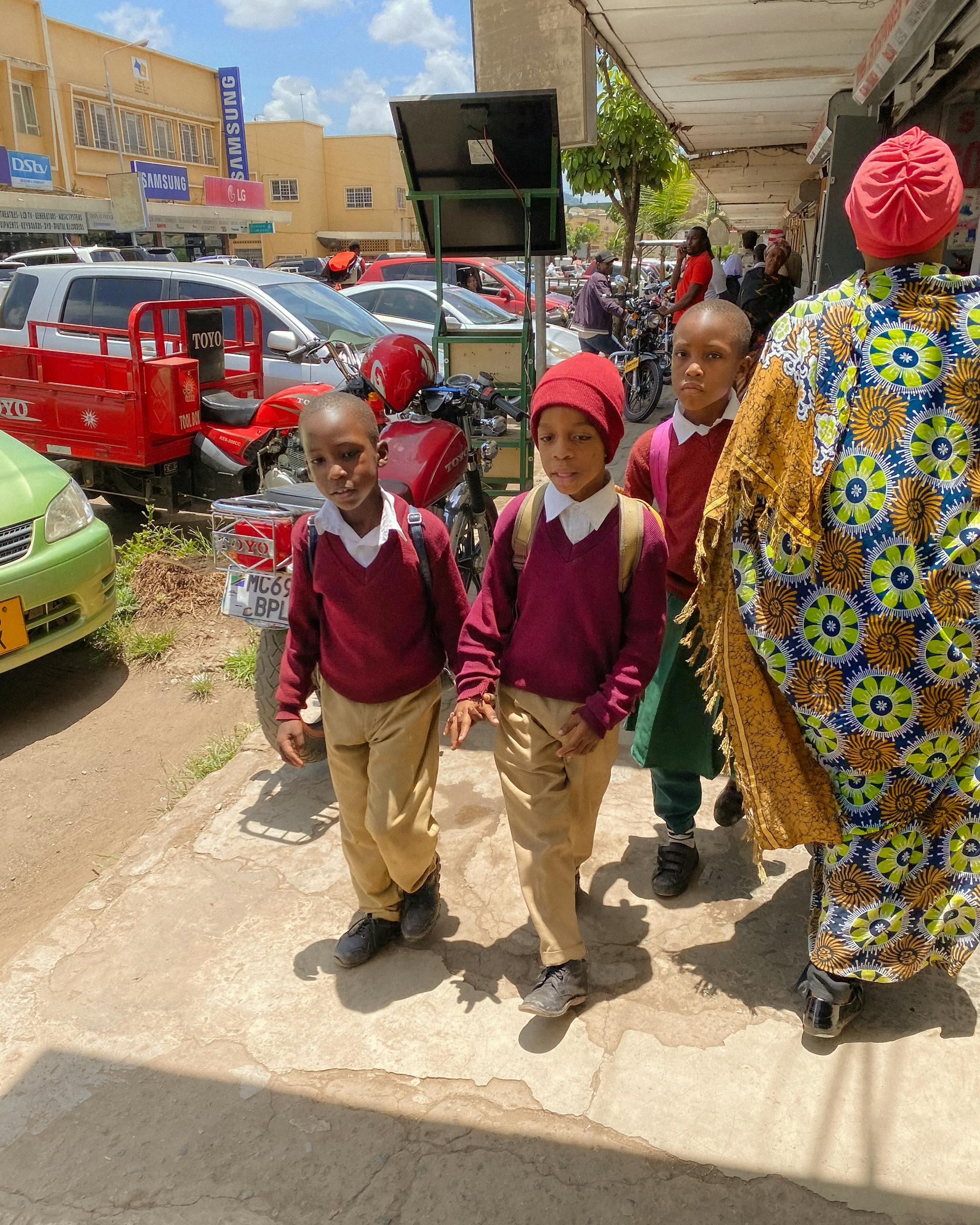
The official languages of Tanzania are Swahili (Kiswahili) and English. Swahili is spoken by almost everyone and is the language you will hear most often during your journey. English is widely used in education, government and the tourism sector, meaning you will generally have no difficulty communicating in lodges, hotels and national parks. In addition, Tanzania is home to more than 120 local languages and dialects, each linked to the country’s many ethnic groups.
One of the most well-known Swahili expressions is hakuna matata — literally “no worries” — along with the motto polepole (“take it slowly”), which you will often hear during a safari or while climbing Mount Kilimanjaro.
The population
Tanzania has a population of over 66 million people and is home to more than 120 ethnic groups. The Maasai are internationally the most well known, easily recognised by their colourful clothing and traditional way of life. In addition, there are many other ethnic groups, such as the Chaga, Sukuma and the Hadzabe — one of the last remaining hunter-gatherer communities.
Despite this great diversity, Tanzania’s population groups generally live together peacefully.
Religion & traditions
Approximately 60% of Tanzania’s population is Christian, around 35% Muslim, and a small percentage practises traditional religions. On Zanzibar and in the coastal regions, Islam is predominant, which is reflected in local dress and architecture. In the interior of the country, churches and Christian celebrations are more prominent.
Music, dance and storytelling play an important role throughout Tanzanian society and form a key part of the country’s cultural identity.
Hospitality & customs
Tanzanians are known for their warm hospitality and friendliness. Greeting one another is important: a handshake (using the right hand) combined with a friendly greeting in Swahili is highly appreciated.
Here are a few common greetings you are likely to hear and use during your journey:
Jambo! – Hello!
(Often used by tourists; Tanzanians themselves use it less among each other.)Habari? – How are you? / What’s the news?
Nzuri! – Fine / Good!
(Reply to Habari.)Shikamoo. – A respectful greeting used when addressing someone older than yourself.
Marahaba. – The response to Shikamoo, meaning something like “I accept your respect”.
Mambo! – Hi, how’s it going?
(Informal, commonly used among younger people.)Poa! – Cool / All good!
(Reply to Mambo.)
- Vaccinations / Malaria
Vaccinations
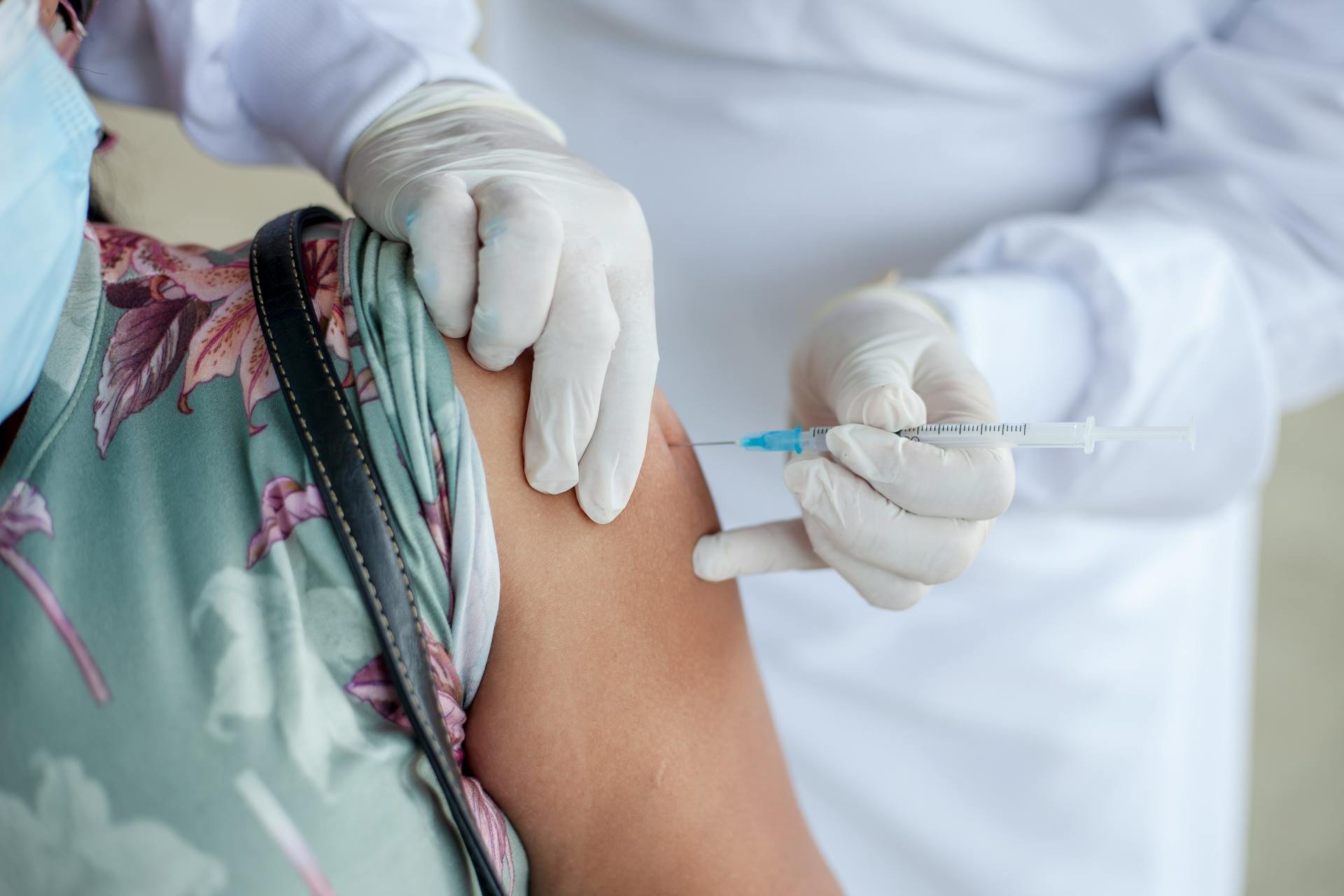
Good preparation is essential for a carefree journey. For travel to Tanzania, certain vaccinations and preventive measures are strongly recommended and, in some cases, mandatory. As medical advice may change over time, we recommend contacting your GP or a specialised travel clinic at least four weeks before departure, such as the Institute of Tropical Medicine or a dedicated travel health clinic.
Recommended vaccinations
Hepatitis A – Standard recommendation.
DTP (Diphtheria, Tetanus, Polio) – Strongly advised. Many travellers are already (partially) vaccinated.
Measles / Whooping cough – Check whether your routine vaccinations are up to date.
Typhoid & Hepatitis B – Especially recommended for longer stays in rural areas or for travellers with an active itinerary.
Rabies – May be considered if you expect close contact with (stray) animals or if travelling to remote regions.
Yellow fever
A yellow fever vaccination is required if, in the seven days prior to arrival in Tanzania, you have been in a risk country (such as Kenya, Rwanda or Burundi) or have transited through one for more than 12 hours. In practice, checks may be carried out upon arrival in Tanzania, even if you have only transited through a risk country. We therefore strongly recommend always carrying an international vaccination certificate (the “yellow booklet”) to avoid any issues.
Practical tips
Make sure all vaccinations are recorded in your vaccination booklet. This may be requested at border control and is also useful if you need to see a doctor during your trip.
Some health insurance policies reimburse (part of) the cost of vaccinations — check this in advance.
Bring your own small first-aid kit, including plasters, (sterile) gauze, blister plasters, anti-diarrhoea medication, painkillers and any personal medication. For women, it is advisable to bring sanitary pads or tampons, as these may be limited in availability in some areas.
Malaria
Malaria occurs in Tanzania, and the level of risk varies by region and season. In Northern Tanzania, around Arusha and the northern safari circuit, the risk of infection is moderate due to the higher altitude and generally drier conditions outside the rainy seasons. In lower-lying areas such as Moshi, the coastal regions around Pangani and Tanga, on Zanzibar and in Dar es Salaam, the risk is higher.
Preventive measures
We therefore strongly recommend always using malaria prophylaxis. The most commonly prescribed medications are:
Atovaquone-proguanil
Lariam
Doxycycline
Each of these medications has a different dosage schedule and side-effect profile. Always consult your GP or a travel health clinic to determine which option is most suitable for you.
Additional protection
In addition to medication, prevention remains essential:
Wear long-sleeved, protective clothing in the evening and at night.
Use an effective insect repellent containing DEET.
Sleep under an impregnated mosquito net whenever possible.
- Electricity and communication
Electricity in Tanzania
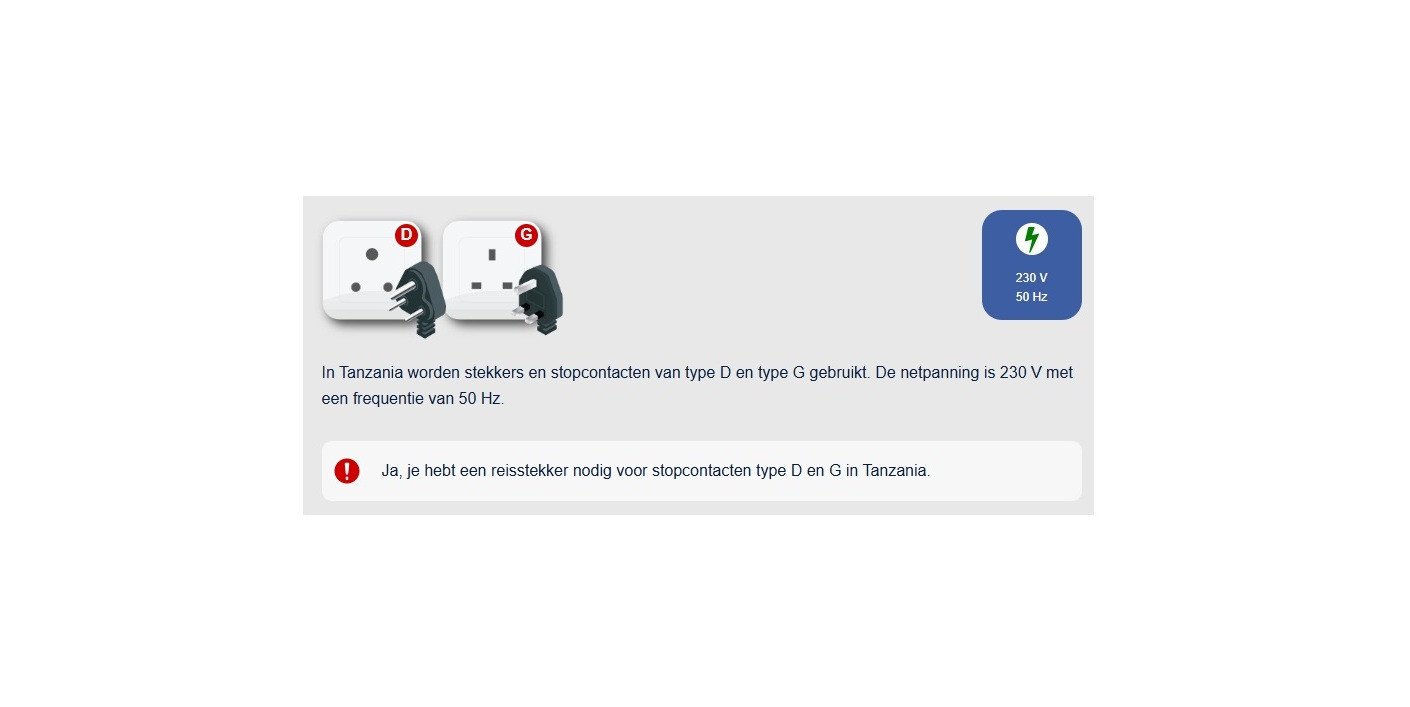
In Tanzania, power sockets of type D and G are commonly used. These do not correspond with the sockets used in Belgium, where type C is standard. You will therefore need a travel adapter in order to use electricity in Tanzania. We recommend bringing a universal travel adapter, as it fits multiple socket types. Alternatively, you can bring two separate adapters: from type C to type D and type G.
The standard electricity supply is 230 volts, with a frequency of 50 hertz. The nominal voltage in Tanzania is comparable to that of Belgium and the Netherlands (around 230–240 volts). As a result, a voltage converter is not required for most electrical devices.
In larger cities such as Dar es Salaam, Arusha and Zanzibar City, the electricity supply is generally reliable. Hotels, restaurants, shopping centres and other commercial buildings almost always have power available for guests and visitors.
However, when travelling to more remote areas or rural villages, electricity can be less stable and power cuts or voltage fluctuations may occur. We therefore recommend bringing a torch and a power bank, so you are always prepared — especially during safaris or stays in more remote locations.
Internet, Wi-Fi and mobile networks
In many parts of Northern Tanzania and on Zanzibar, internet cafés are available and an increasing number of accommodations offer Wi-Fi. During your journey, you will therefore often be able to use Wi-Fi, for example to send messages via WhatsApp. In addition, mobile network coverage is available in most areas, making it generally possible to send text messages and make phone calls using a Tanzanian network.
In Southern Tanzania, connectivity is more limited: Wi-Fi is less widely available, but texting and calling via the local mobile network is usually still possible. Please be aware that both internet and telephone connections can be affected by power outages, which may cause temporary disruptions in coverage.
Purchasing a local Tanzanian SIM card is possible, but regulations have become stricter. Personal registration is required at the time of purchase, which can sometimes take a bit of time.
Country code Tanzania: +255 (or 00255)
- Embassies and consulates
Embassies & Consulates in Tanzania
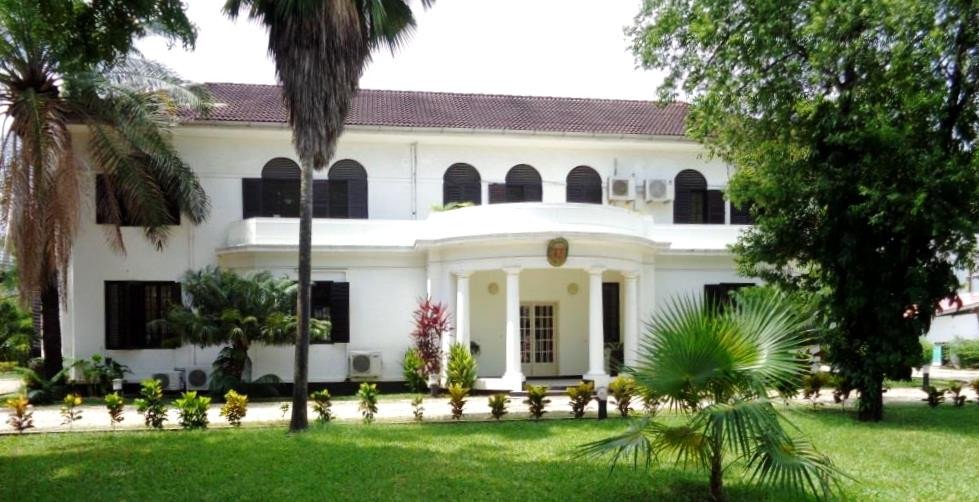
When travelling to Tanzania, it is useful to know where you can turn for assistance and support from your home country. The embassy in Tanzania (located in Dar es Salaam) and several consulates can provide help to travellers in case of emergencies or for practical matters.
Belgium
Embassy of the United Republic of Tanzania
Avenue Franklin Roosevelt 72
1050 Brussels
Tel: +32 2 640 65 00Belgian Embassy in Tanzania
Barack Obama Road 5
Dar es Salaam
Tel: +255 22 211 26 88
Emergency (outside office hours): +255 75 478 21 56The Netherlands
Embassy of the United Republic of Tanzania
Groot Hertoginnenlaan 28
2517 EG The Hague
Tel: +31 70 215 6450Embassy of the Netherlands in Tanzania
Umoja House, 4th floor
Corner of Mirambo Street / Garden Avenue
Dar es Salaam
Tel: +255 22 211 0000
Website: darQminbuza.nlWhat can an embassy or consulate in Tanzania do for you?
Assistance in the event of loss or theft of your passport, including the issuance of an emergency travel document.
Support in case of illness, hospitalisation or accidents.
Advice and guidance on legal matters or when dealing with local authorities.
Information on Tanzanian travel documents, safety and local regulations.
Help with contacting family members or relevant authorities in your home country.
What an embassy or consulate cannot do
Release you from prison or prevent legal penalties.
Pay medical expenses or hotel accommodation costs.
Recover lost luggage on your behalf from airlines.
Practical tips
Always note down the contact details of the embassy and consulates in Tanzania and keep them both digitally and in paper form.
Register your journey with the Ministry of Foreign Affairs portal of your home country, so you can be reached quickly in case of emergencies.
Make a copy of your passport and store it separately from the original to avoid complications in case of loss or theft.
Please be aware that embassies and consulates are usually open during office hours; however, a 24-hour emergency number is often available for urgent situations.
- Photography
Photography in Tanzania
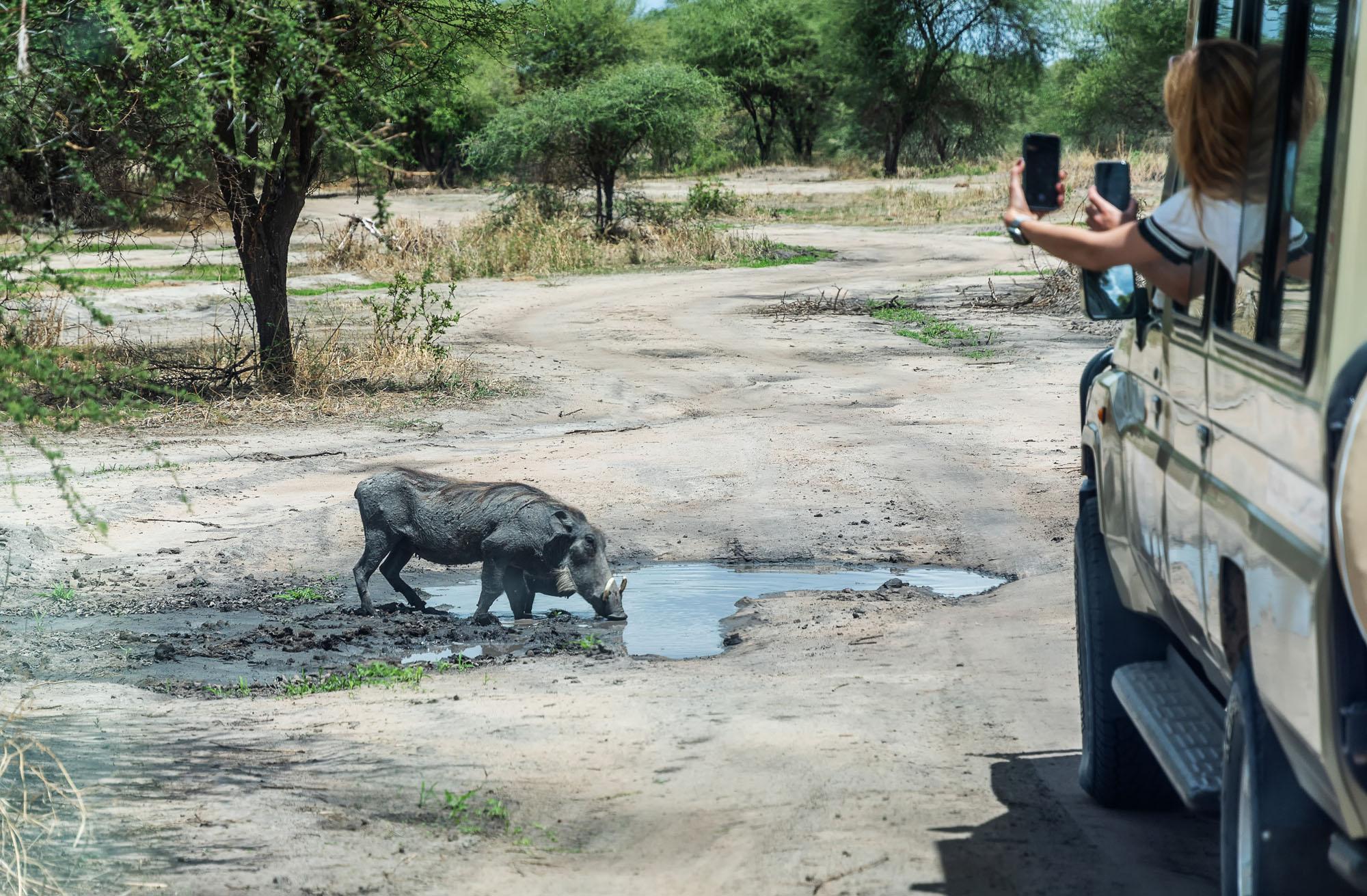
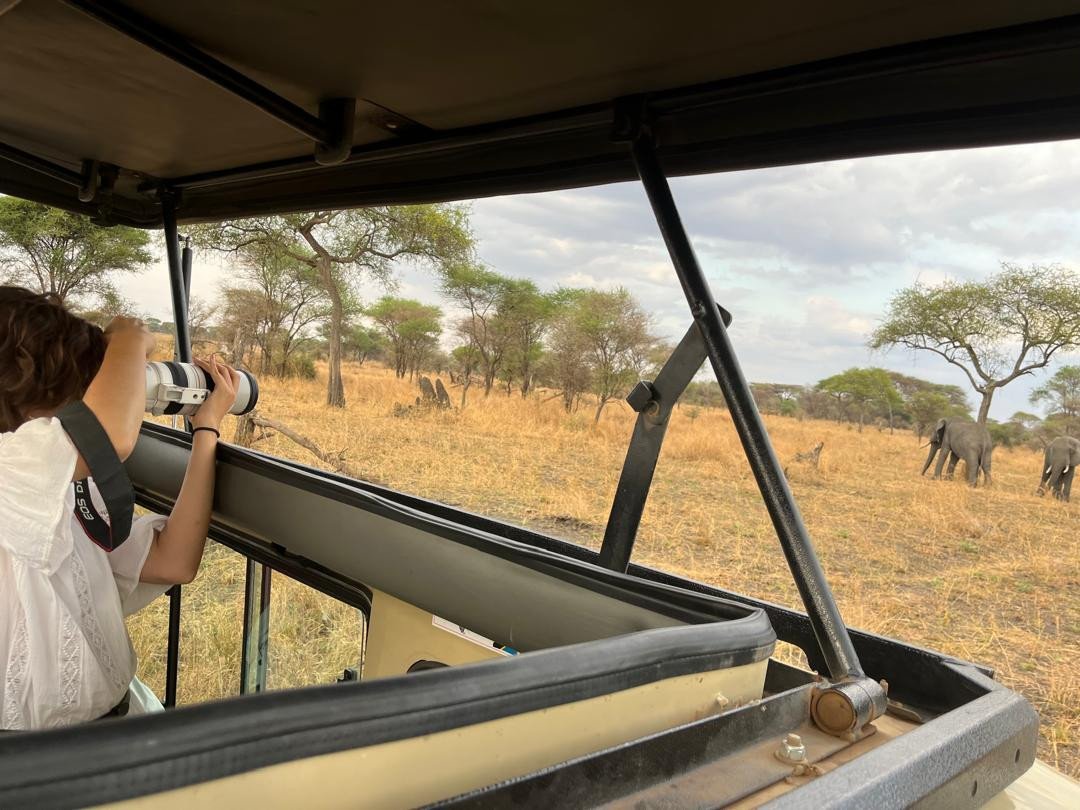
Tanzania is a true paradise for photographers, offering dramatic landscapes, vibrant cultures and an extraordinary abundance of wildlife. Whether you are on safari in Tanzania or enjoying a stay on Zanzibar, you will constantly encounter moments worth capturing. However, there are a few important things to keep in mind when photographing in this beautiful country.
Safari photography tips
During a safari in Tanzania, light and composition are your greatest allies. The open plains and clear skies often provide excellent visibility for wildlife photography.
Bring a telephoto lens (200–300 mm or more) to capture animals in their natural habitat.
Carry extra batteries and memory cards, as charging facilities are limited inside the parks.
Protect your equipment from dust and sand with a sturdy camera bag or lens cloth — especially during game drives.
Photographing people & culture
Always ask politely for permission before photographing people. This is particularly important when visiting traditional communities such as the Maasai.
Be aware that in some cases a small fee may be requested.
Never photograph government buildings, police officers or military personnel — this is strictly prohibited.
Respect always comes first: a smile and a brief greeting in Swahili are highly appreciated.
Photography on Zanzibar
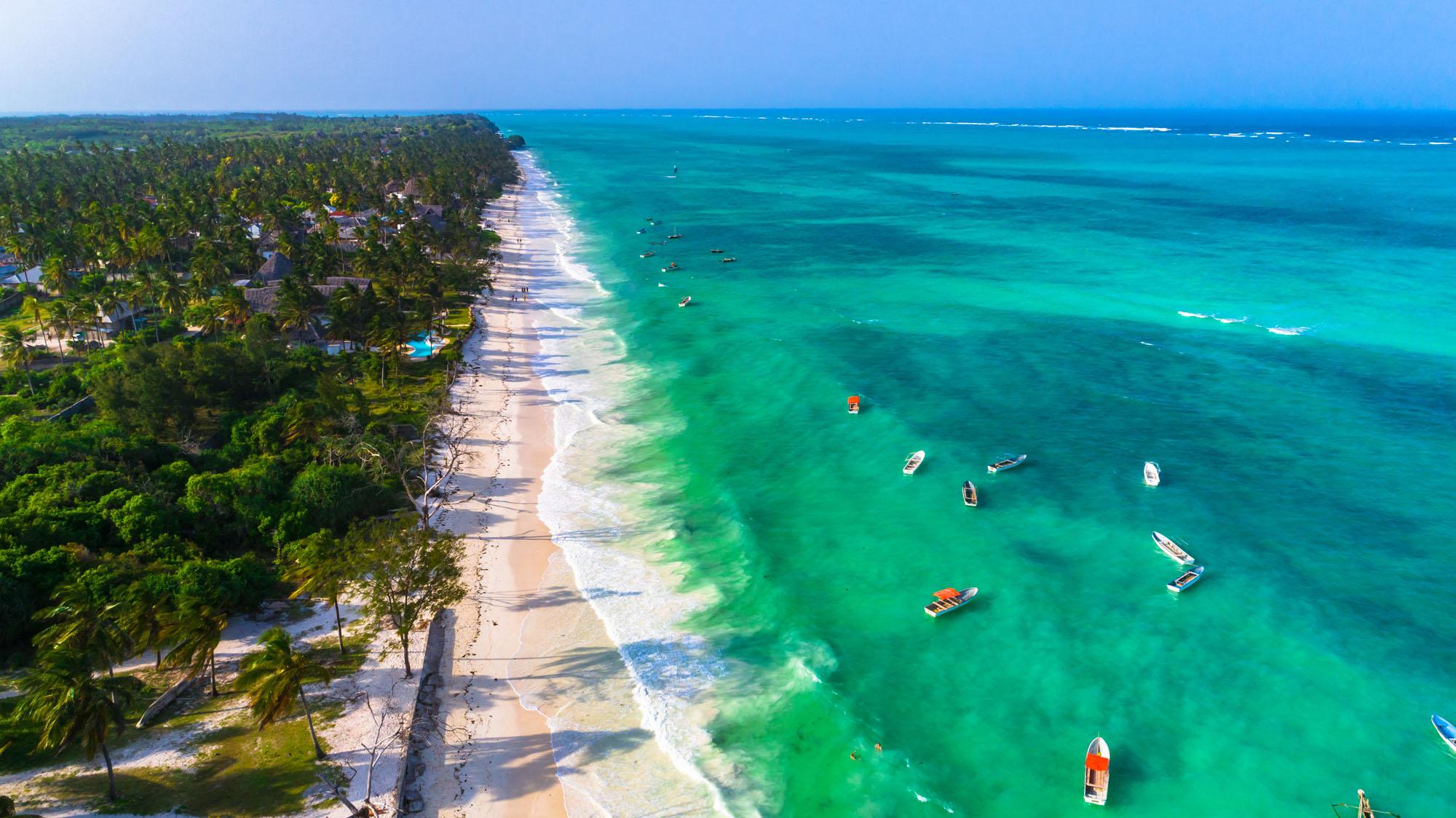
Zanzibar is ideal for landscape photography, with its pearl-white beaches, turquoise waters and colourful dhow boats creating a stunning setting.
In the narrow streets of Stone Town, you can capture atmospheric images of Swahili architecture and everyday life. The golden hours around sunrise and sunset are perfect for warm, vibrant photographs.
Practical tips
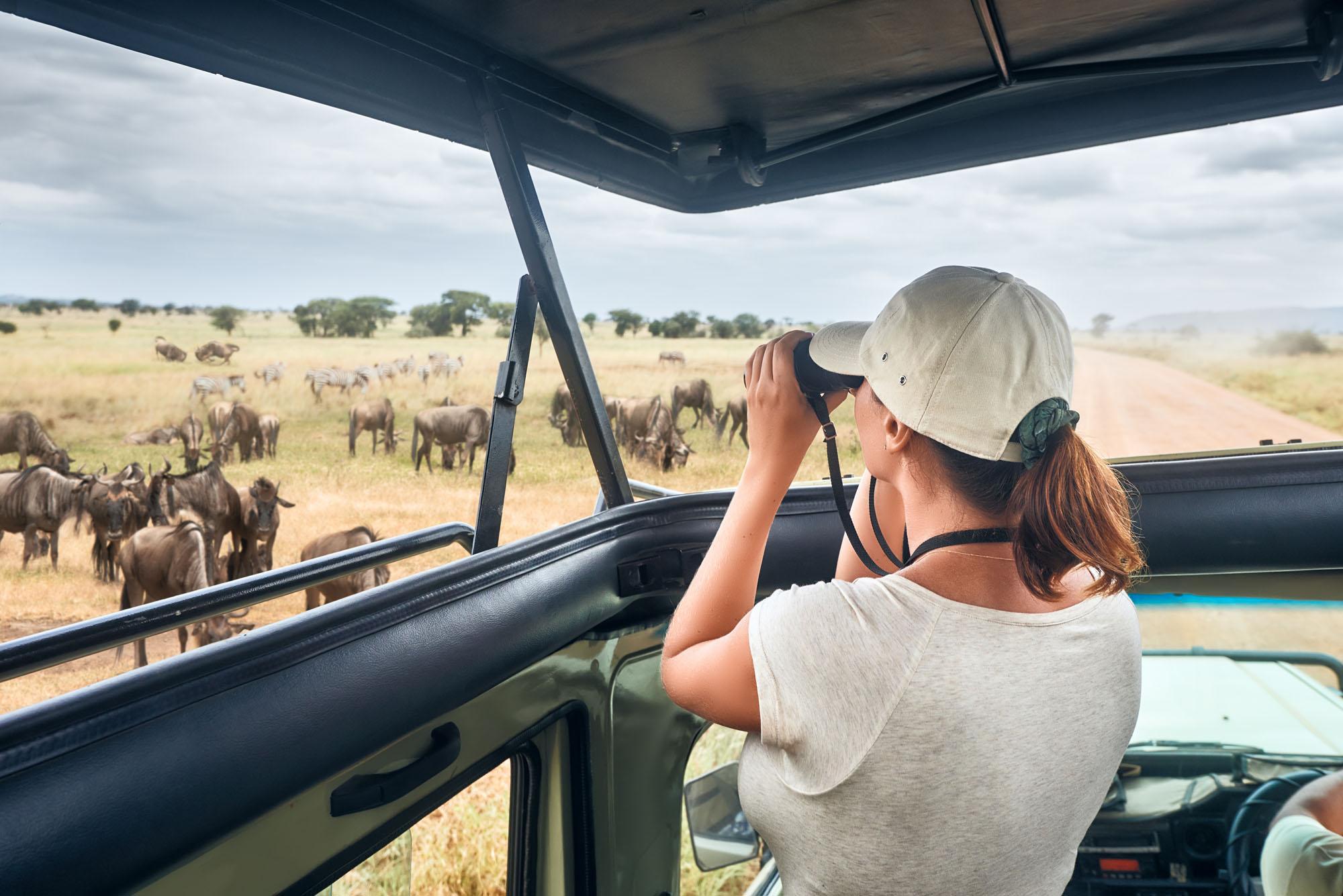
In addition to your camera, bring binoculars to observe wildlife up close.
Don’t experience Tanzania only through your lens — take time to put the camera down and enjoy the moment with your own eyes.
- How much should you tip?
Tips
In Tanzania’s tourism sector, tipping is customary and widely appreciated. Especially in well-known safari areas and popular destinations, it is considered a natural gesture of appreciation for good service.
To help guide you, we have outlined some commonly accepted tipping guidelines below:
Tipping guidelines
Porters and luggage handlers: guideline approx. USD 1–2 per person.
Housekeeping and kitchen staff: you can often contribute to a general tip box at reception, allowing behind-the-scenes staff to benefit as well.
Safari guide / driver: a key person during your journey. The appropriate amount depends on the number of guests in the vehicle:
2 guests: USD 10–20 per day in total
Larger groups: USD 20–30 per day in total
Mount Kilimanjaro – head guide: guideline USD 15–20 per day
Mount Kilimanjaro – guide: guideline USD 15 per day
Mount Kilimanjaro – cook: guideline USD 15 per day
Mount Kilimanjaro – porters: guideline USD 10 per day
A tip is never mandatory, but it is a sign of appreciation for good service. The general principle is that tipping should be earned. Our staff receive fair wages that are above the local average. However, giving a very low tip is often interpreted by Tanzanians as a sign that the service did not meet expectations. We therefore recommend following these guidelines and tipping appropriately when you are satisfied.
Practical tips
Always carry some small US dollar notes (preferably newer notes issued after 2006), as these are most convenient for tipping.
Tips are preferably given in US dollars or euros; small amounts in Tanzanian shillings are also possible, but less commonly used.
You may also choose to leave a general tip for the entire team when checking out of your accommodation.
- Luggage
Luggage
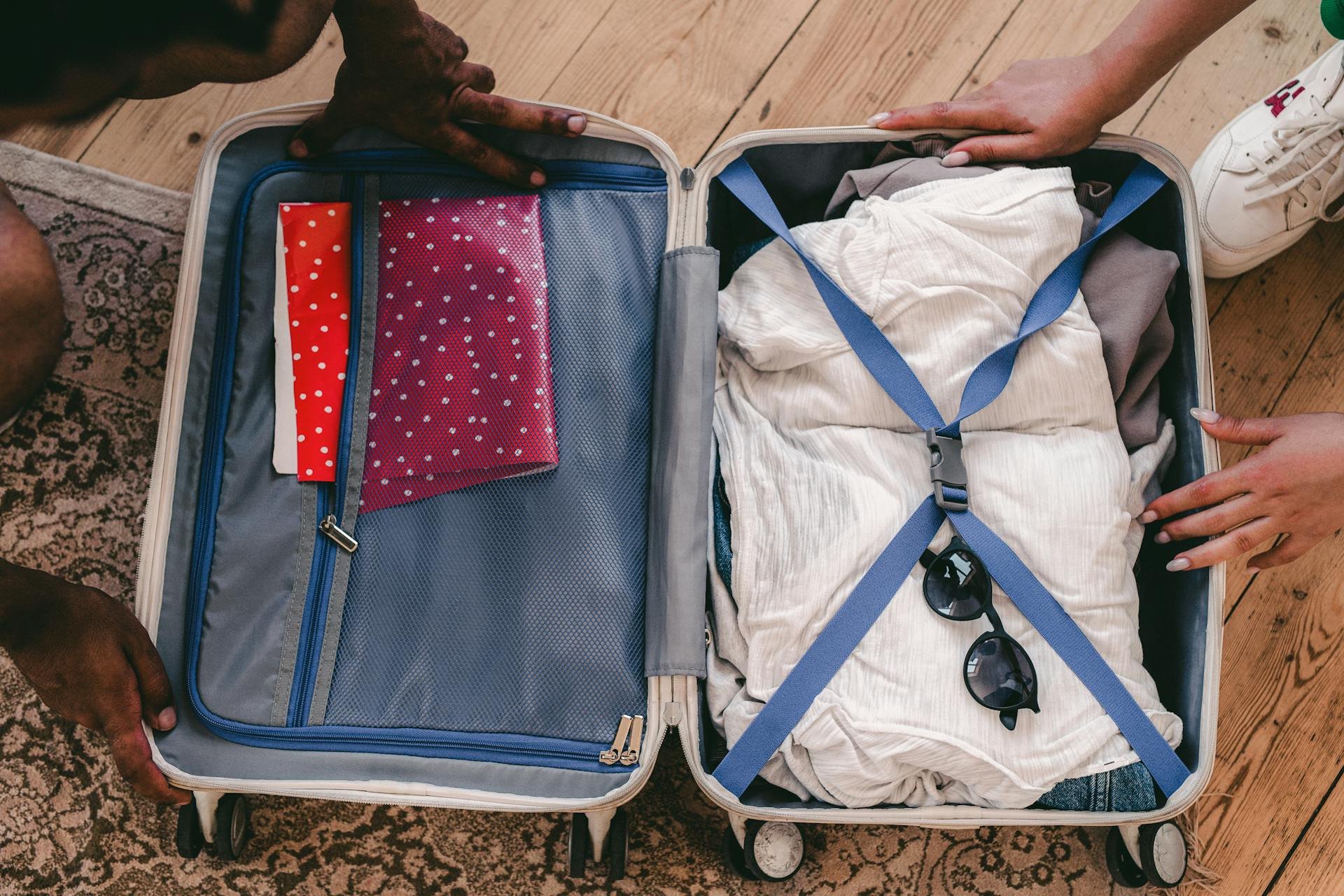
As luggage space in safari vehicles is limited, we strongly recommend travelling with soft-sided bags. Hard suitcases are more difficult to fit into the vehicle’s luggage compartment and may also be damaged due to bumpy roads. We advise bringing no more than 15 kg of luggage. Clothing can easily be hand-washed along the way, and in many places it is also possible to have laundry done for a small fee.
In addition, a small backpack or daypack is very useful as hand luggage for excursions and day trips.
Important!
Please note that plastic bags are strictly prohibited in both Kenya and Tanzania. Make sure that you do not carry any plastic bags or packaging in either your checked luggage or hand luggage. If you do have any with you, they must be left behind on the aircraft.
If you purchase duty-free items that are provided in a plastic bag, this bag must also be left on the aircraft. The same applies to transparent zip-lock bags that are sometimes issued at airports for carrying liquids in hand luggage.
Carrying plastic bags or plastic packaging can result in very high fines.
Also useful to bring
DEET-based insect repellent (spray, lotion or cream)
A roll of tape – mosquito nets in hotels may occasionally have small holes
Basic first-aid kit / travel health kit, including anti-diarrhoea medication, pain relief, etc.
Hat or cap (for sun protection)
Binoculars
Camera with sufficient memory cards and spare batteries
Good torch or headlamp
Antibacterial hand gel
Light scarf, shawl or buff (for strong sun or to cover bare shoulders)
Fleece jacket for cooler evenings
Water shoes for beach stays on the islands (due to sea urchins and sharp coral)
- Clothing in Tanzania
Clothing in Tanzania
The right clothing advice for Tanzania depends on the season, your destination and the activities you plan to undertake. As temperatures can vary significantly throughout the day, it is advisable to dress in layers: lightweight clothing for daytime and something warmer for cooler mornings and evenings.
Safari & national parks
During a safari, it is best to wear comfortable casual clothing made of cotton in neutral colours such as khaki, beige or olive green. Avoid dark colours (black, dark blue or red), as these can attract insects such as the tsetse fly. During the day, shorts or zip-off trousers are practical, while long sleeves and long trousers provide protection against mosquitoes in the evening. Closed shoes or light walking shoes are ideal for game drives and short walks; flip-flops or sandals are useful around the lodge.
Evenings & accommodation
Most lodges and tented camps do not enforce strict dress codes. However, smart casual attire such as long trousers with a shirt, blouse or polo shirt is appreciated during dinner. Many accommodations also have a swimming pool, so be sure to bring swimwear. Please note that topless sunbathing or swimming is prohibited by law in Tanzania.
Coast & Zanzibar
Along the coast and on Zanzibar, the population is predominantly Muslim. Modest clothing is therefore appreciated: shoulders and knees should be covered when outside the beach or your accommodation. Swimwear is, of course, acceptable on the beach itself, but topless sunbathing is not permitted anywhere.

- Volunteering
Volunteering
Make a Difference – Add Impact to Your Safari
Would you like to enrich your trip to Tanzania with a meaningful experience? Combine your safari with volunteering and contribute directly to local initiatives. Social engagement is part of our DNA: alongside our safaris, we are deeply committed to our NGO, Moja Tanzania (OONGO/R/8527). This ensures that your support reaches those who need it most and that the impact is sustainable and long-lasting.
Your passion, our perfect match
Volunteering with us is tailor-made. Whether you would like to help out for an afternoon during your round trip or extend your stay by several weeks, everything is possible. Do you have a specific skill or a clear interest? Let us know and we will find a project that truly suits you.
Where can you help?
Education & Childcare
Support teachers in schools or caregivers in nurseries. Teach English, organise a sports day, or help with the daily care of young children.Healthcare
Do you have a medical background? We facilitate supportive roles in local clinics, where extra hands are always welcome.Nature Conservation & Ecology
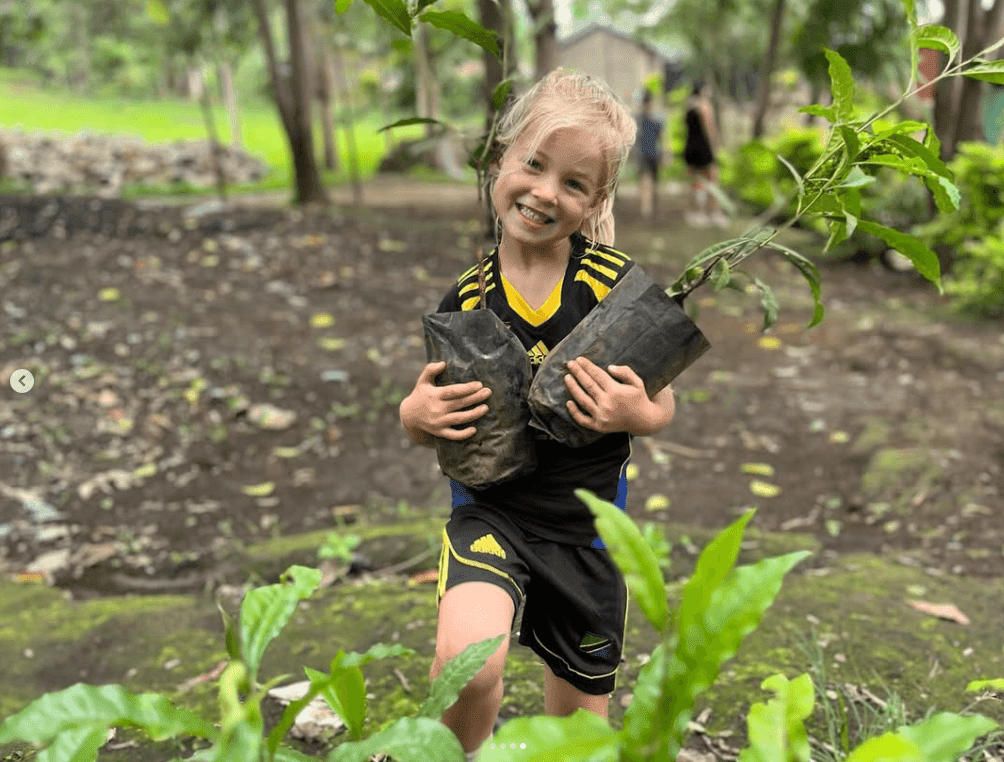
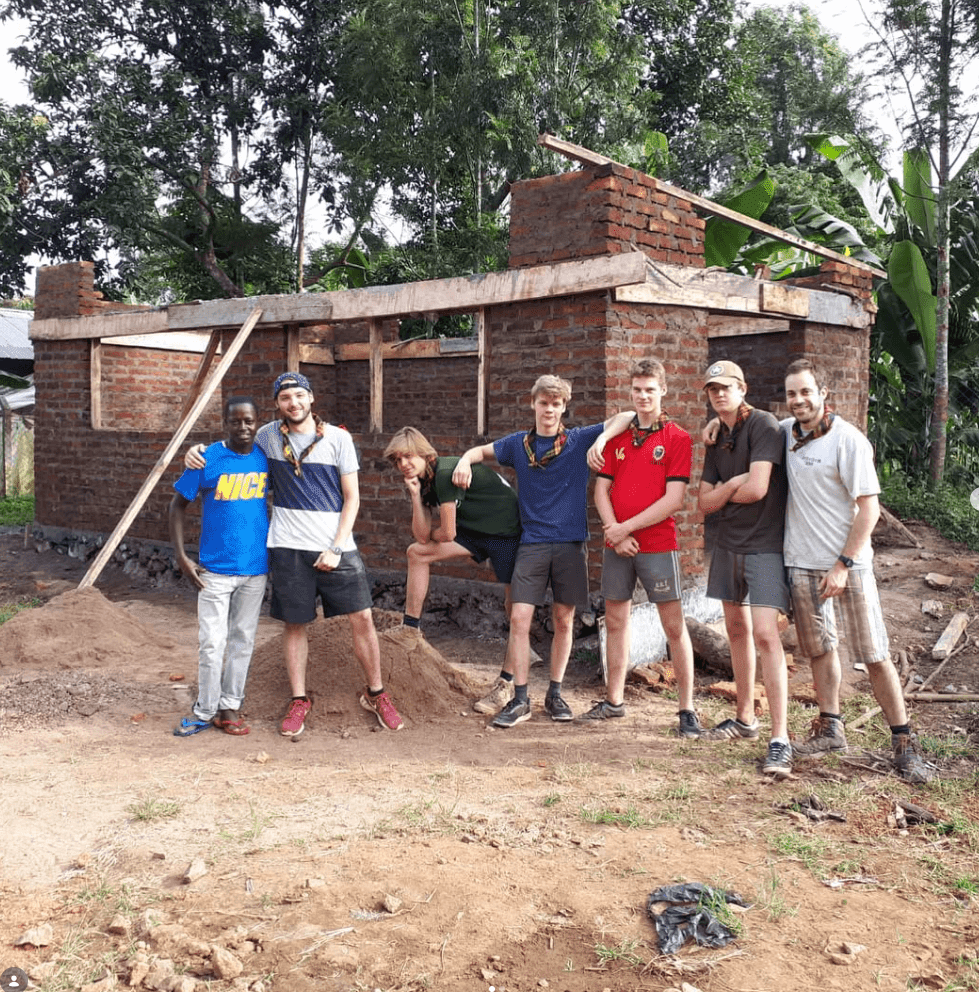
Contribute to a greener and cleaner Tanzania by planting trees to support biodiversity, or join our Clean-up Days, where we work together to remove litter from the streets.Construction & Infrastructure
Help build the future by taking part in the renovation or construction of classrooms and community facilities.Is this for you?
Would you like to add social impact to your dream trip? Let us know when you make your enquiry. We would be delighted to talk with you and create an experience you will remember for a lifetime.
Discover Tanzania
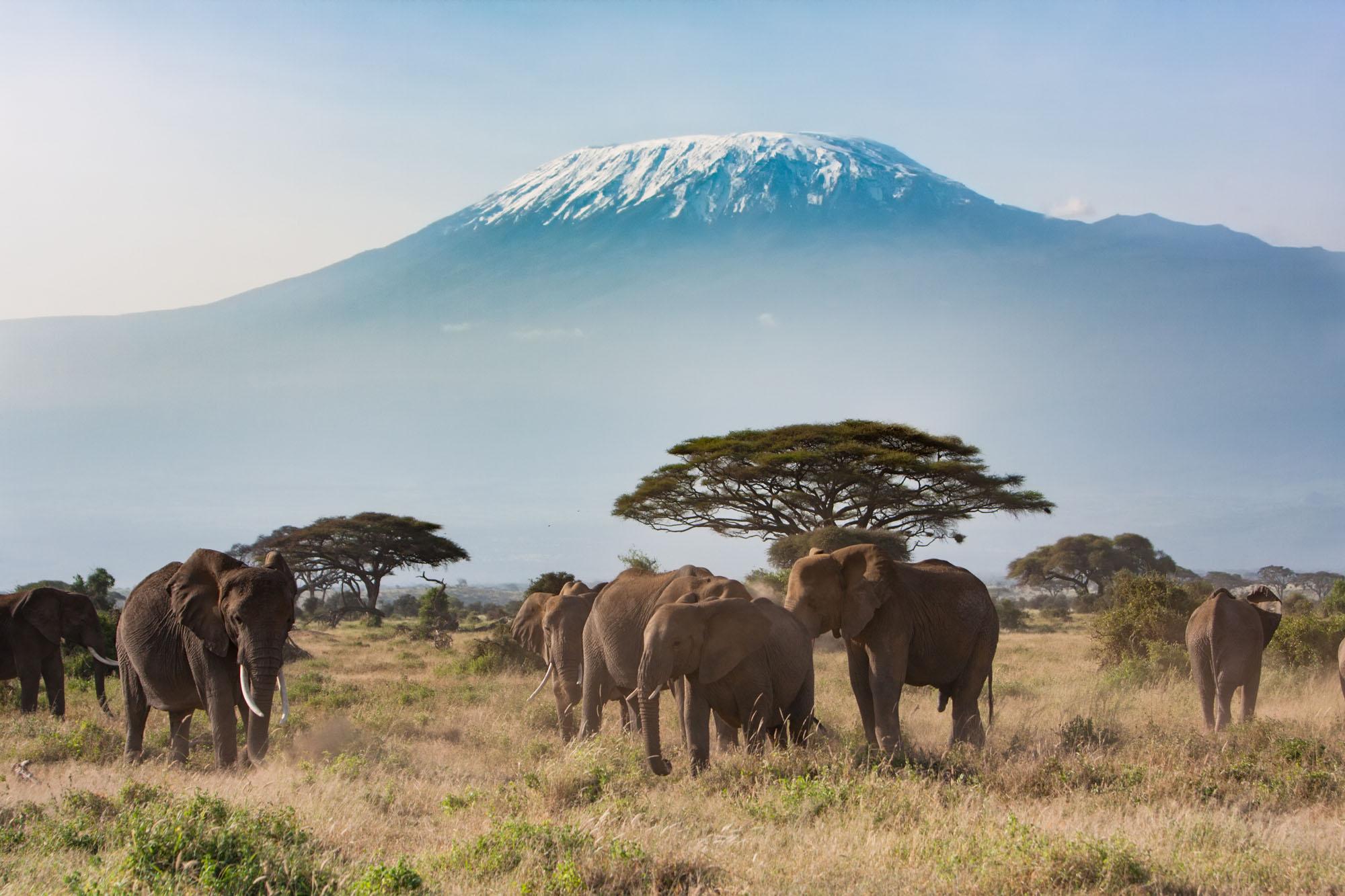
Here you will find everything you need for your dream journey to Tanzania: from its impressive national parks and the idyllic island of Zanzibar to the majestic Mount Kilimanjaro. Thanks to our practical tips and in-depth information, you can set off on your adventure fully prepared and worry-free.
Travel to Tanzania, Mount
Kilimanjaro & Mount Meru